

Congress Reintroduces the Access to Prescription Digital Therapeutics Act
Congress has introduced The Access to Prescription Digital Therapeutics Act of 2023
At Lanton Law we have been monitoring the both exciting and emerging field of prescription digital therapeutics. While the technologies we have been witnessing are promising, there does remain the challenge of reimbursement, since there has not yet been a statutory benefit category established for this new technology. However; behavioral health shows the most immediate promise.
With that in mind, Congress has introduced The Access to Prescription Digital Therapeutics Act of 2023. The bill proposes to “expand Medicare coverage to include PDTs, which are software-based disease treatments designed to directly treat disease. PDTs are designed and tested much like traditional prescription drugs but rather than swallowing a pill or taking an injection, patients receive cognitive therapy through software. The treatments are tested for safety and efficacy in randomized clinical trials, evaluated by the U.S. Food and Drug Administration (FDA) and prescribed by health care providers.” The bill can be read here.
Lanton Law is a national healthcare and life science boutique law and government affairs firm that closely monitors legislative, regulatory and legal developments for our clients. Our HealthIT practice can help stakeholders understand what’s at issue with topics like digital therapeutics, RTM and RPM so that we can help our valued clients reach their goals. Contact us to learn about how either our legal or lobbying services can help you attain your goals.

New York Proposes New PBM Regulations
The New York State Department of Financial Services has proposed new rules surrounding pharmacy benefit managers (PBMs) that deal with establishing definitions; licensing; contracting with pharmacies; acquisition of PBMs; consumer protections and audit regulations regarding PBMs.
The New York State Department of Financial Services has proposed new rules surrounding pharmacy benefit managers (PBMs) that deal with establishing definitions; licensing; contracting with pharmacies; acquisition of PBMs; consumer protections and audit regulations regarding PBMs.
This rulemaking is one to monitor especially with the recent events from the 10th Circuit. We have written a recent blog post on this developments surrounding this decision.
Lanton Law is a national boutique law and lobbying firm that focuses on healthcare/life sciences and technology. Our pharmacy practice has been helping pharmacies nationwide with operational issues, mergers and acquisitions, regulatory inquiries, audits, licensure, employment issues and contracting. Our lobbying efforts help pharmacies nationwide achieve improved business climates through carefully crafted legislation as well as counseling clients on responding to relevant proposed rules.
If you are an industry stakeholder with questions about the current landscape or if you would like to discuss how your organization’s strategic initiatives might be impacted by either Congress, regulatory agencies or legal decisions, contact us today.

Biden Administration Announces First Ten Drugs Selected for Medicare Price Negotiation
The Biden Administration has announced today that Medicare will be able to negotiate drug prices for the first time due to provisions within the Inflation Reduction Act.
The Biden Administration has announced today that Medicare will be able to negotiate drug prices for the first time due to provisions within the Inflation Reduction Act.
The first ten selected drugs for negotiation are Eliquis, Jardiance, Xarelto, Januvia, Farxiga, Entresto, Enbrel, Imbruvica, Stelara and Fiasp.
The Administration stated that these drugs “accounted for $50,5 billion in total Part D gross covered prescription drug costs. The negotiations will occur in 2023 and 2024 and any negotiated prices will become effective beginning in 2026.
According to HHS press release read here, “In future years, CMS will select for negotiation up to 15 more drugs covered under Part D for 2027, up to 15 more drugs for 2028 (including drugs covered under Part B and Part D), and up to 20 more drugs for each year after that, as outlined in the Inflation Reduction Act.”
Lanton Law is a national boutique law and government affairs firm that closely monitors legislative, regulatory and legal developments in the healthcare and life science spaces. Contact us to learn about how either our legal or lobbying services can help you attain your goals.
Pharmacy Congressional Bills to Watch
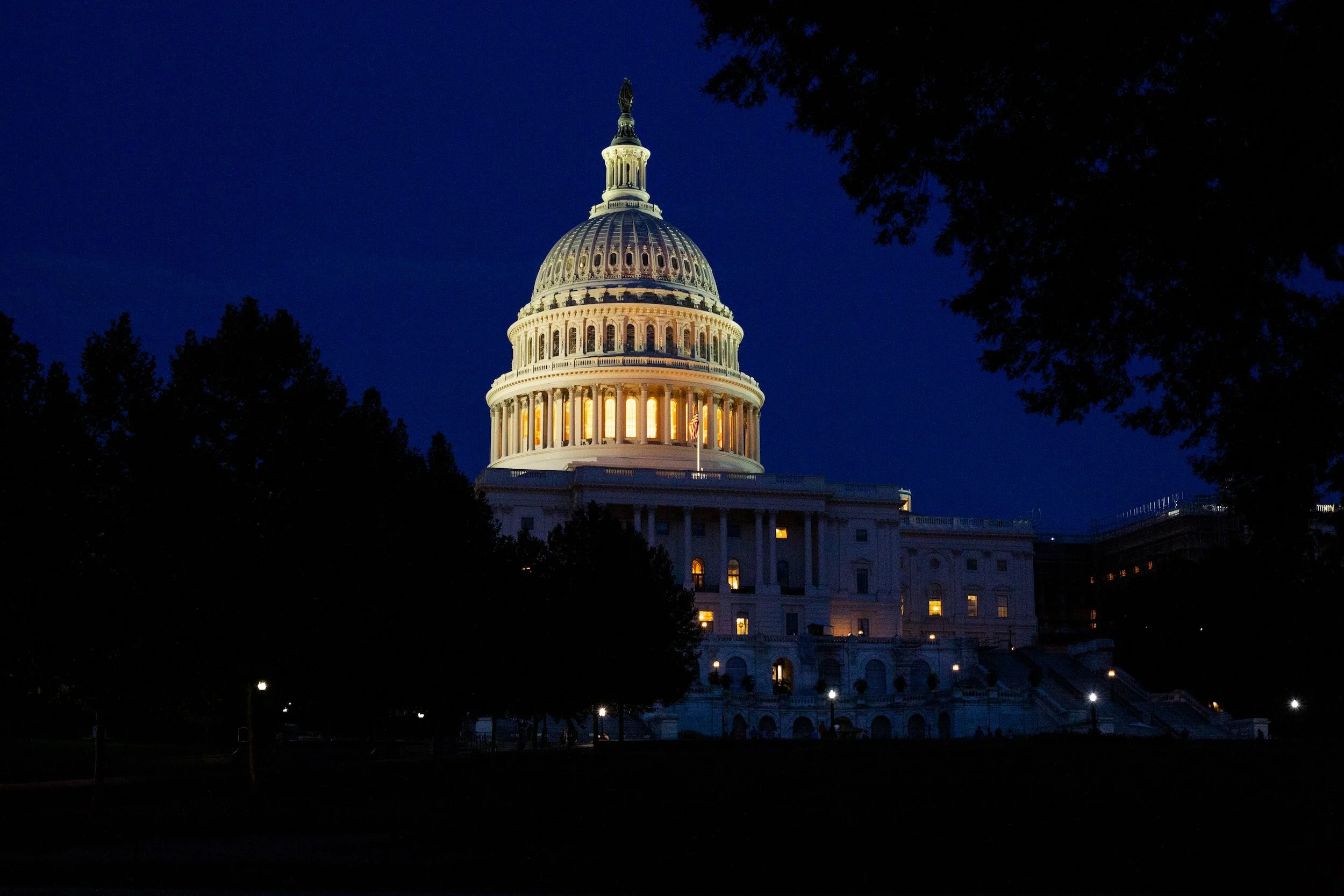
Two pro-pharmacy bills continue to make their way through Congress.
Two pro-pharmacy bills continue to make their way through Congress.
S.1038 titled Drug Price Transparency in Medicaid Act of 2023 sponsored by Senator Welch (D-VT) requires pass-through pricing models, and prohibits spread-pricing, for payment arrangements with pharmacy benefit managers under Medicaid. The bill also extends funding for retail pharmacy surveys and requires additional information with respect to price concessions and survey participation to be made publicly available.
S2052 titled Protect Patient Access to Pharmacies Act proposes to enforce any willing pharmacy requirements and establish safeguards to ensure patient access to pharmacies in Medicare Part D.
Lanton Law is a national boutique law and lobbying firm that focuses on healthcare/life sciences and technology. Our pharmacy practice has been helping pharmacies nationwide with operational issues, mergers and acquisitions, regulatory inquiries, audits, licensure, employment issues and contracting. Our lobbying efforts help pharmacies nationwide achieve improved business climates through carefully crafted legislation as well as counseling clients on responding to relevant proposed rules.
If you are an industry stakeholder with questions about the current landscape or if you would like to discuss how your organization’s strategic initiatives might be impacted by either Congress, regulatory agencies or legal decisions, contact us today.

What are the clean energy elements discussed within the Inflation Reduction Act (IRA)?
What are the clean energy elements discussed within the Inflation Reduction Act (IRA)? The IRA invests $369 billion in clean energy and energy efficiency programs. This investment is designed to reduce the United States' reliance on foreign oil and bring down energy prices.
The IRA invests $369 billion in clean energy and energy efficiency programs. This investment is designed to reduce the United States' reliance on foreign oil and bring down energy prices. The clean energy sections of the IRA include:
Extending and expanding the Production Tax Credit (PTC) and Investment Tax Credit (ITC) for renewable energy. These tax credits make it more affordable for businesses to invest in renewable energy projects.
Investing in clean energy research and development. This investment will help to accelerate the development of new clean energy technologies.
Creating a new Clean Electricity Performance Program. This program will reward utilities for generating electricity from clean sources.
Investing in energy efficiency programs. This investment will help to reduce energy consumption and save consumers money on their energy bills.
The IRA is expected to create millions of new jobs in the clean energy sector. The law is also expected to reduce the federal budget deficit and increase economic growth.
Here are some of the key takeaways from the clean energy sections of the IRA:
The IRA is the largest piece of legislation ever to address climate change.
The IRA is expected to create millions of new jobs and reduce the federal budget deficit.
The IRA is still in its early stages of implementation, but it is expected to make a positive contribution to reducing inflation and growing the economy.
Here are some specific examples of how the IRA is expected to help the clean energy sector:
The extension and expansion of the PTC and ITC are expected to spur investment in solar, wind, and other renewable energy projects.
The investment in clean energy research and development is expected to help to accelerate the development of new clean energy technologies, such as carbon capture and storage.
The Clean Electricity Performance Program is expected to reward utilities for generating electricity from clean sources, such as solar and wind.
The investment in energy efficiency programs is expected to help to reduce energy consumption and save consumers money on their energy bills.
The IRA is a significant piece of legislation that is expected to have a major impact on the clean energy sector. The law is still in its early stages of implementation, but it is expected to make a positive contribution to reducing emissions and growing the economy.
Lanton Law is a national boutique law and government affairs firm that closely monitors legislative, regulatory and legal developments in the clean energy space. Contact us to learn about how either our legal or lobbying services can help you attain your goals.

What's in the Bipartisan Infrastructure Deal?
The Bipartisan Infrastructure Deal is a $1.2 trillion investment in the nation's infrastructure, including roads, bridges, public transit, broadband internet, clean water, and power grids.
There are many people that may have heard about the Bipartisan Infrastructure Deal, but don’t really know a summary of the new law’s details. Below is a quick “cheat sheet” on the recently enacted law.
The Bipartisan Infrastructure Deal is a $1.2 trillion investment in the nation's infrastructure, including roads, bridges, public transit, broadband internet, clean water, and power grids.
The legislation was passed by Congress on November 5, 2021, and signed into law by President Biden on November 15, 2021.
The Bipartisan Infrastructure Deal is the largest investment in infrastructure in the United States since the Interstate Highway System was built in the 1950s.
The legislation is expected to create millions of jobs and boost the economy.
Here are some of the specific investments that are included in the Bipartisan Infrastructure Deal:
$110 billion to repair and rebuild roads and bridges.
$65 billion to expand access to clean drinking water.
$65 billion to help ensure that every American has access to reliable high-speed internet.
$39 billion to modernize public transit.
$25 billion to upgrade airports.
$17 billion to improve port infrastructure.
$66 billion to invest in passenger rail.
$7.5 billion to build a national network of electric vehicle chargers.
$65 billion to upgrade the power grid.
$50 billion to protect against climate change and extreme weather events.
$1 billion to deliver the largest investment in tackling legacy pollution in American history.
Lanton Law is a national boutique law and government affairs firm that closely monitors legislative, regulatory and legal developments in the clean energy space. Contact us to learn about how either our legal or lobbying services can help you attain your goals.

Tenth Circuit Deals Pharmacy a Set Back Regarding Oklahoma PBM Law
This week The U.S. Court of Appeals for the Tenth Circuit issued a decision agreeing with the Pharmaceutical Care Management Association (PCMA) that Oklahoma's Patient's Right to Pharmacy Choice Act (the Act) is preempted by ERISA because it interferes with central matters of plan administration by restricting ERISA plans from structuring their pharmacy networks in a particular manner.
In 2020 the pharmacy industry witnessed much needed relief with the U.S. Supreme Court ruling on behalf of pharmacy in the unanimous Rutledge v. PCMA case. That decision held that a federal law, the Employee Retirement Income Security Act of 1974 (ERISA), does not prevent states from enacting laws regulating the abusive payment practices of PBMs.
However; this week The U.S. Court of Appeals for the Tenth Circuit issued a decision agreeing with the Pharmaceutical Care Management Association (PCMA) that Oklahoma's Patient's Right to Pharmacy Choice Act (the Act) is preempted by ERISA because it interferes with central matters of plan administration by restricting ERISA plans from structuring their pharmacy networks in a particular manner. The court also held that ERISA preempted the Act's provision that would bar pharmacy benefit managers (PBMs) from denying, limiting, or terminating a pharmacy's contract because one of its pharmacists is on probation with the state pharmacy board.
This is definitely an inconsistent decision from Rutledge and should be overturned due to recent U.S. Supreme Court precedent.
Lanton Law is a national boutique law and government affairs firm that closely monitors legislative, regulatory and legal developments in the healthcare and life science spaces. Contact us to learn about how either our legal or lobbying services can help you attain your goals.

Illinois Enacts Pro-Pharmacy Legislation
Illinois has enacted HB 3631, pro-pharmacy legislation sponsored by Senator Simmons. The new law prohibits pharmacy benefit managers from retaliating against pharmacists for disclosing information in government proceedings if they have reasonable cause to believe that the disclosed information is evidence of a violation of a state or federal law, rule, or regulation.
Illinois has enacted HB 3631, pro-pharmacy legislation sponsored by Senator Simmons. The new law prohibits pharmacy benefit managers from retaliating against pharmacists for disclosing information in government proceedings if they have reasonable cause to believe that the disclosed information is evidence of a violation of a state or federal law, rule, or regulation.
Lanton Law is a national boutique law and government affairs firm that closely monitors legislative, regulatory and legal developments in the healthcare and life science spaces. Contact us to learn about how either our legal or lobbying services can help you attain your goals.

President Biden Signs Executive Order to Regulate U.S. Investments in Sensitive Technologies in Countries of Concern
President Biden signed an executive order on August 9, 2023, that will regulate certain U.S. investments in countries of concern in entities engaged in activities involving sensitive technologies critical to national security. The order specifically targets investments in semiconductors and microelectronics, quantum information technologies, and artificial intelligence.
President Biden signed an executive order on August 9, 2023, that will regulate certain U.S. investments in countries of concern in entities engaged in activities involving sensitive technologies critical to national security. The order specifically targets investments in semiconductors and microelectronics, quantum information technologies, and artificial intelligence.
The order identifies the People's Republic of China (PRC) as a country of concern and requires the Secretary of the Treasury develop a program to regulate U.S. investments in these sensitive technologies in countries of concern. The program will prohibit certain investments in entities that engage in specific activities related to these technology areas that pose the most acute national security risks, and require notification for other sensitive investments.
The order is designed to prevent foreign countries of concern from exploiting U.S. investment in these sensitive technologies to develop military, intelligence, surveillance, and cyber-enabled capabilities that risk U.S. national security.
If you are a technology company and you are concerned about how to navigate an evolving regulatory environment, contact Lanton Law today. We stay up-to-date on the latest technology policy and legal trends and can help you implement new business strategies.

Privacy & Technology Companies: Why You May Need an Attorney
Technology companies are constantly collecting and using personal data. This data can include everything from names and addresses to browsing history and financial information. As technology companies collect more data, the importance of privacy becomes even more critical.
Technology companies are constantly collecting and using personal data. This data can include everything from names and addresses to browsing history and financial information. As technology companies collect more data, the importance of privacy becomes even more critical.
There are a number of reasons why technology companies need a lawyer to help them with privacy. First, lawyers can help companies understand the laws that apply to them. These laws can vary depending on the country or region where the company operates.
Second, lawyers can help companies develop and implement relevant policies and procedures. These policies and procedures should be designed to protect the company's users.
Third, lawyers can help companies respond to privacy inquiries and complaints. If a user has a question or complaint about a company's privacy practices, the company needs to be able to respond promptly and effectively.
Privacy is a complex issue, and technology companies need to take it seriously. By working with a lawyer, technology companies can ensure that they are compliant with the law and that they are protecting the privacy of their users.
If you are a technology company and you are concerned about how to navigate an evolving regulatory environment, contact Lanton Law today. We stay up-to-date on the latest technology policy and legal trends and can help you implement new business strategies.

H.R. 3831: The AI Disclosure Act of 2023 Explained
H.R. 3831, the AI Disclosure Act of 2023, is a bill that would require companies that use artificial intelligence (AI) to disclose certain information about their use of AI. This information would include the purpose of the AI system, the data that the AI system is trained on, the algorithms that the AI system uses, and the potential risks and benefits of the AI system. The bill would also create a new agency within the Federal Trade Commission (FTC) to oversee the implementation of the law.
H.R. 3831, the AI Disclosure Act of 2023, is a bill that would require companies that use artificial intelligence (AI) to disclose certain information about their use of AI. This information would include the purpose of the AI system, the data that the AI system is trained on, the algorithms that the AI system uses, and the potential risks and benefits of the AI system. The bill would also create a new agency within the Federal Trade Commission (FTC) to oversee the implementation of the law.
This bill is important because it would increase transparency and accountability in the use of AI. By requiring companies to disclose information about their use of AI, the bill would help consumers to understand how AI is being used and to make informed decisions about whether to use AI-powered products and services.
It is still too early to say whether H.R. 3831 will become law. However, the bill has generated a lot of interest and debate, and it is likely to continue to be a topic of discussion in the coming months.
If you are a stakeholder in the AI industry, you should be aware of H.R. 3831 and its potential implications for your business. Lanton Law’s technology section can help you to understand the bill and to help you develop a strategy to comply with looming regulatory oversight.
Contact Lanton Law today to learn more about how we can help you with your AI legal and policy needs.

More Drugmakers Sue Biden Administration Over Medicare Negotiation
Johnson and Johnson has filed a lawsuit in New Jersey federal district court, arguing that the new powers granted to Medicare to negotiate drug prices violates the First and Fifth Amendments of the U.S. Constitution. Medicare’s new power to negotiate comes from the recently enacted Inflation Reduction Act (IRA). Earlier suits by Merck, Bristol Myers Squibb, the U.S. Chamber of Commerce and PhRMA have made similar arguments.
Johnson and Johnson has filed a lawsuit in New Jersey federal district court, arguing that the new powers granted to Medicare to negotiate drug prices violate the First and Fifth Amendments of the U.S. Constitution. Medicare’s new power to negotiate comes from the recently enacted Inflation Reduction Act (IRA). Earlier suits by Merck, Bristol Myers Squibb, the U.S. Chamber of Commerce and PhRMA have made similar arguments.
As part of the new law, the Centers for Medicare and Medicaid Services (CMS) will publish a list of which drugs were selected for a first cycle of negotiations on Sept. 1, with prices taking effect in 2026. The companies that make those drugs face an October deadline to sign agreements to participate in those negotiations.
Lanton Law is a national boutique law and government affairs firm that closely monitors legislative, regulatory and legal developments in the healthcare and life science spaces. Contact us to learn about how either our legal or lobbying services can help you attain your goals.

Tech Firms Sign White House AI Pledge Over Concerns of Potential AI Risks
This week the Biden Administration secured voluntary commitments from seven leading artificial intelligence (AI) companies, including Amazon, Anthropic, Google, Inflection, Meta, Microsoft, and OpenAI, to promote the safe, secure, and transparent development of AI technology.
This week the Biden Administration secured voluntary commitments from seven leading artificial intelligence (AI) companies, including Amazon, Anthropic, Google, Inflection, Meta, Microsoft, and OpenAI, to promote the safe, secure, and transparent development of AI technology. These commitments focus on three fundamental principles: safety, security, and trust. The companies pledge to conduct internal and external security testing of their AI systems before release, share information on managing AI risks with various stakeholders, and invest in cybersecurity measures. They also commit to ensuring users can identify AI-generated content, publicly report on AI capabilities and limitations, prioritize research on societal risks like bias and discrimination, and develop AI systems to address significant challenges such as cancer prevention and climate change.
The Biden Administration will continue its efforts to establish an international framework for AI governance and has already consulted with numerous countries on the voluntary commitments. The administration aims to ensure AI development is conducted safely and responsibly to protect Americans from harm and discrimination. Prior actions include convening industry leaders to discuss AI risks, signing an Executive Order to address bias in technology, and investing in AI research and development institutes across the country. The administration is also preparing policy guidance for federal agencies to ensure AI systems prioritize the protection of citizens' rights and safety.
Artificial Intelligence is clearly an emerging field that is both exciting and risky. For tech and healthcare stakeholders, the possibilities can be endless when examining potential legal and regulatory pitfalls.
Lanton Law is a national boutique law and government affairs firm that closely monitors legislative, regulatory and legal developments in the healthcare and technology spaces. Contact us to learn about how either our legal or lobbying services can help you attain your goals.

Privacy Trends in New York: How Lanton Law Can Assist Tech and Healthcare Companies with Legal and Regulatory Strategies
Privacy has emerged as a critical issue in the digital age, prompting increased scrutiny and regulation. In New York, a hub for technology and healthcare industries, privacy trends have been shaping the legal and regulatory landscape. This blog post will explore the evolving privacy trends in New York and delve into how Lanton Law can help tech and healthcare companies navigate complex privacy laws and develop effective legal and regulatory strategies.
Privacy has emerged as a critical issue in the digital age, prompting increased scrutiny and regulation. In New York, a hub for technology and healthcare industries, privacy trends have been shaping the legal and regulatory landscape. This blog post will explore the evolving privacy trends in New York and delve into how Lanton Law can help tech and healthcare companies navigate complex privacy laws and develop effective legal and regulatory strategies.
New York has been proactive in addressing privacy concerns, recognizing the importance of protecting personal information in an increasingly interconnected world. Several key privacy laws and regulations have been enacted, creating a robust privacy framework for businesses operating in the state.
The New York Privacy Act, if passed, would establish comprehensive privacy rights for consumers, similar to the European Union's General Data Protection Regulation (GDPR). It would empower individuals with control over their personal data and impose stringent obligations on businesses regarding data protection and transparency.
Additionally, the Stop Hacks and Improve Electronic Data Security (SHIELD) Act has enhanced data breach notification requirements and expanded the definition of personal information. It mandates businesses to implement reasonable security measures and imposes penalties for non-compliance.
Lanton Law has an emerging privacy and data protection section. Here's how our firm can help:
a. Compliance Assessment: We can conduct comprehensive privacy assessments to identify areas of non-compliance and help businesses align their practices with applicable state and federal privacy regulations. We can review your policies, procedures, and data handling practices to ensure adherence to legal requirements.
b. Privacy Policy Development: We can assist in drafting and updating privacy policies that meet the specific needs of your industry. These policies often outline data collection practices, disclosure mechanisms, and individual rights, providing transparency and legal compliance.
c. Consent Mechanisms: With the increasing emphasis on consent, Lanton Law can help companies develop effective mechanisms for obtaining and managing consent. This includes ensuring clear and informed consent practices, implementing opt-in and opt-out mechanisms, and maintaining records of consent.
d. Privacy Impact Assessments: Lanton Law can conduct Privacy Impact Assessments (PIAs) to identify privacy risks associated with the implementation of new technologies, data-sharing practices, or changes in business operations. PIAs help companies proactively address privacy concerns and mitigate risks.
e. Dispute Resolution: In case of privacy-related disputes, Lanton Law can provide strategic guidance.
Conclusion:
As privacy concerns continue to grow in the digital age, New York has been at the forefront of enacting comprehensive privacy legislation. Tech and healthcare companies in the state must adapt to these evolving trends to protect consumer data and maintain compliance with privacy regulations.
Lanton Law's experience in privacy and data protection enables these companies to navigate the complex legal and regulatory landscape effectively. By partnering with us, tech and healthcare organizations can develop robust strategies, ensuring compliance, safeguarding personal data, and maintaining trust among your consumers.
Contact us to learn more.

Unleashing the Power of Lanton Law: The Key to Effective Lobbying
When it comes to navigating the complex world of lobbying, choosing the right lobbyist will make all the difference. Lanton Law offers a unique approach that has proven to be highly effective in driving positive change.
When it comes to navigating the complex world of lobbying, choosing the right lobbyist will make all the difference. Lanton Law offers a unique approach that has proven to be highly effective in driving positive change.
One of the primary reasons for choosing us is the wealth of experience and expertise that our team brings to the table. From policy analysis and strategic planning to coalition building and stakeholder engagement, our approach ensures that our clients' interests are well represented and advocated for.
Leveraging our extensive network and deep industry connections, we develop tailored strategies that align with our clients' specific goals and priorities. Our personalized approach results in more effective and tangible results.
Contact us today to learn more about how you can reach your policy goals.
Lanton Law Quoted in Pharmacy Times Article Titled "Mifepristone Has its Day in Court"
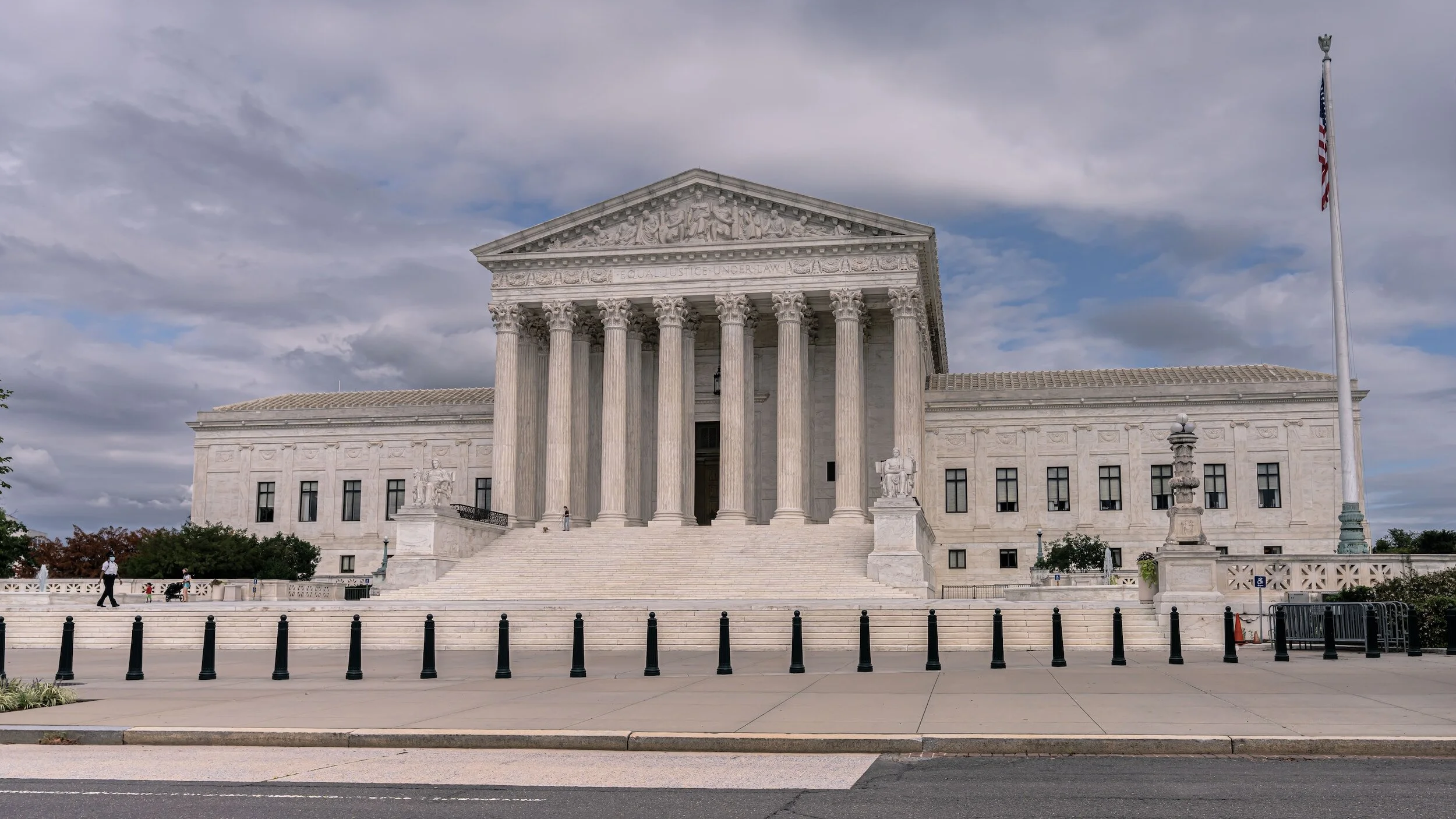
Lanton Law was quoted in Pharmacy Times article titled “Mifepristone Has its Day in Court.” The article discusses the drug amid its backdrop in the U.S. Supreme Court.
Lanton Law was quoted in Pharmacy Times article titled “Mifepristone Has its Day in Court.” The article discusses the drug amid its backdrop in the U.S. Supreme Court.

Lanton Law Lobbies on Beacon Hill in Boston, Massachusetts for Pharmacy Issues
Lanton Law was on Beacon Hill this week advocating for pharmacy issues.
Lanton Law was on Beacon Hill this week advocating for pharmacy issues. We are happy to be working with several pharmacy allies within the legislature on meaningful issues around health promotion screening and pharmacy benefit manager transparency.

Lanton Law Quoted in Pharmacy Times Article "FDA Approves First Nonprescription Daily Birth Control Pill"
Lanton Law was quoted in the Pharmacy Times article titled “FDA Approves First Nonprescription Daily Birth Control Pill.”
Lanton Law was quoted in the Pharmacy Times article titled “FDA Approves First Nonprescription Daily Birth Control Pill.” The article can be viewed here.
Latest Mifepristone Legal Debates Raise More Questions, Confusion for Health Care Professionals
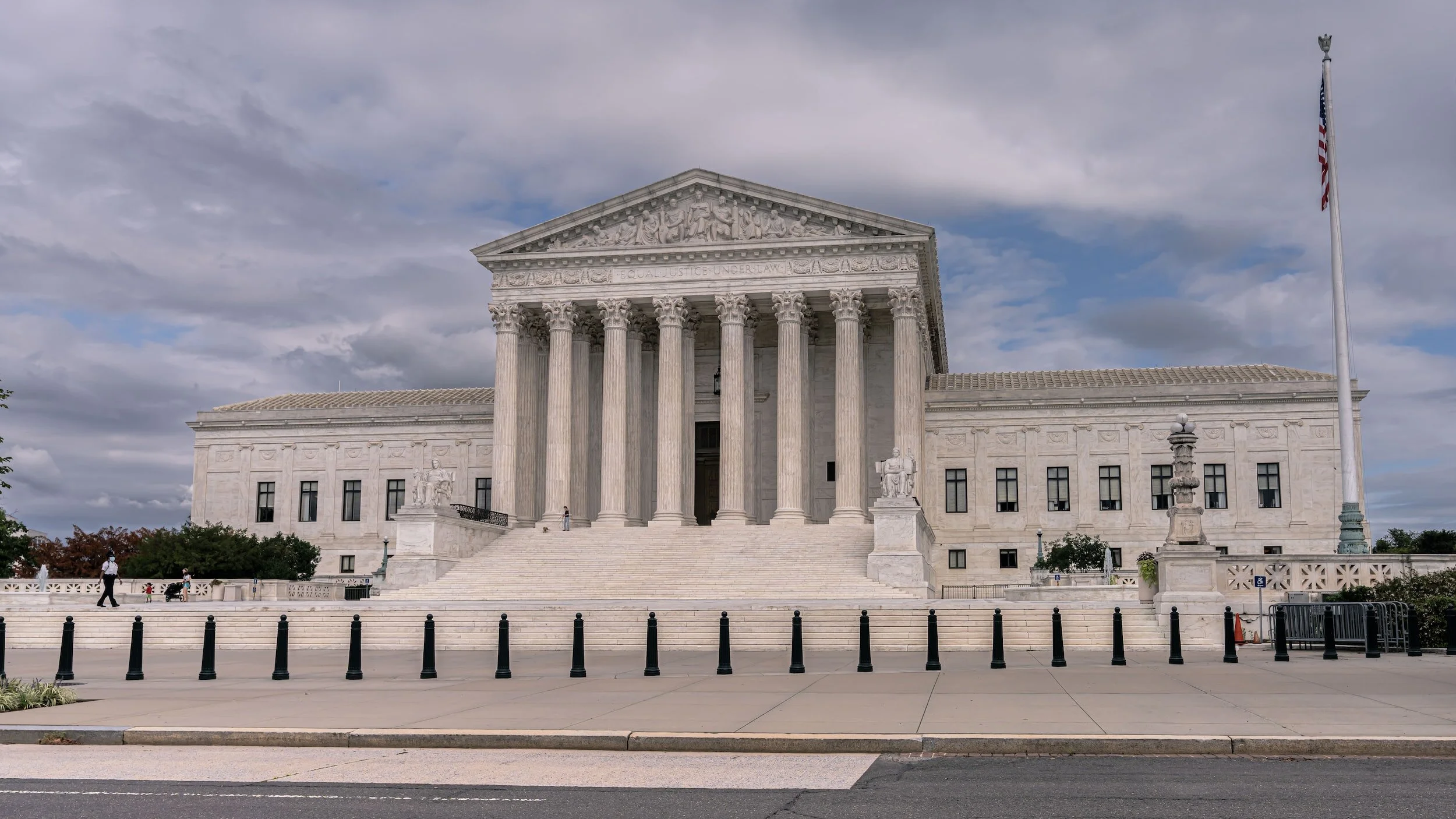
Lanton Law speak with Pharmacy Times about the Supreme Court’s decision on Mifepristone.
Lanton Law speak with Pharmacy Times about the Supreme Court’s decision on Mifepristone. Click here for the interview.

Lanton Law Teams Up With MSHP on Health Promotion Screening Bill
On behalf of the Massachusetts Society of Health-System Pharmacists, we wrote an article advocating for the importance of health promotion screening in Massachusetts.
On behalf of the Massachusetts Society of Health-System Pharmacists, we wrote an article advocating for the importance of health promotion screening in Massachusetts. The Pharmacy Times article can be accessed here.