

Privacy Trends in New York: How Lanton Law Can Assist Tech and Healthcare Companies with Legal and Regulatory Strategies
Privacy has emerged as a critical issue in the digital age, prompting increased scrutiny and regulation. In New York, a hub for technology and healthcare industries, privacy trends have been shaping the legal and regulatory landscape. This blog post will explore the evolving privacy trends in New York and delve into how Lanton Law can help tech and healthcare companies navigate complex privacy laws and develop effective legal and regulatory strategies.
Privacy has emerged as a critical issue in the digital age, prompting increased scrutiny and regulation. In New York, a hub for technology and healthcare industries, privacy trends have been shaping the legal and regulatory landscape. This blog post will explore the evolving privacy trends in New York and delve into how Lanton Law can help tech and healthcare companies navigate complex privacy laws and develop effective legal and regulatory strategies.
New York has been proactive in addressing privacy concerns, recognizing the importance of protecting personal information in an increasingly interconnected world. Several key privacy laws and regulations have been enacted, creating a robust privacy framework for businesses operating in the state.
The New York Privacy Act, if passed, would establish comprehensive privacy rights for consumers, similar to the European Union's General Data Protection Regulation (GDPR). It would empower individuals with control over their personal data and impose stringent obligations on businesses regarding data protection and transparency.
Additionally, the Stop Hacks and Improve Electronic Data Security (SHIELD) Act has enhanced data breach notification requirements and expanded the definition of personal information. It mandates businesses to implement reasonable security measures and imposes penalties for non-compliance.
Lanton Law has an emerging privacy and data protection section. Here's how our firm can help:
a. Compliance Assessment: We can conduct comprehensive privacy assessments to identify areas of non-compliance and help businesses align their practices with applicable state and federal privacy regulations. We can review your policies, procedures, and data handling practices to ensure adherence to legal requirements.
b. Privacy Policy Development: We can assist in drafting and updating privacy policies that meet the specific needs of your industry. These policies often outline data collection practices, disclosure mechanisms, and individual rights, providing transparency and legal compliance.
c. Consent Mechanisms: With the increasing emphasis on consent, Lanton Law can help companies develop effective mechanisms for obtaining and managing consent. This includes ensuring clear and informed consent practices, implementing opt-in and opt-out mechanisms, and maintaining records of consent.
d. Privacy Impact Assessments: Lanton Law can conduct Privacy Impact Assessments (PIAs) to identify privacy risks associated with the implementation of new technologies, data-sharing practices, or changes in business operations. PIAs help companies proactively address privacy concerns and mitigate risks.
e. Dispute Resolution: In case of privacy-related disputes, Lanton Law can provide strategic guidance.
Conclusion:
As privacy concerns continue to grow in the digital age, New York has been at the forefront of enacting comprehensive privacy legislation. Tech and healthcare companies in the state must adapt to these evolving trends to protect consumer data and maintain compliance with privacy regulations.
Lanton Law's experience in privacy and data protection enables these companies to navigate the complex legal and regulatory landscape effectively. By partnering with us, tech and healthcare organizations can develop robust strategies, ensuring compliance, safeguarding personal data, and maintaining trust among your consumers.
Contact us to learn more.

Unleashing the Power of Lanton Law: The Key to Effective Lobbying
When it comes to navigating the complex world of lobbying, choosing the right lobbyist will make all the difference. Lanton Law offers a unique approach that has proven to be highly effective in driving positive change.
When it comes to navigating the complex world of lobbying, choosing the right lobbyist will make all the difference. Lanton Law offers a unique approach that has proven to be highly effective in driving positive change.
One of the primary reasons for choosing us is the wealth of experience and expertise that our team brings to the table. From policy analysis and strategic planning to coalition building and stakeholder engagement, our approach ensures that our clients' interests are well represented and advocated for.
Leveraging our extensive network and deep industry connections, we develop tailored strategies that align with our clients' specific goals and priorities. Our personalized approach results in more effective and tangible results.
Contact us today to learn more about how you can reach your policy goals.
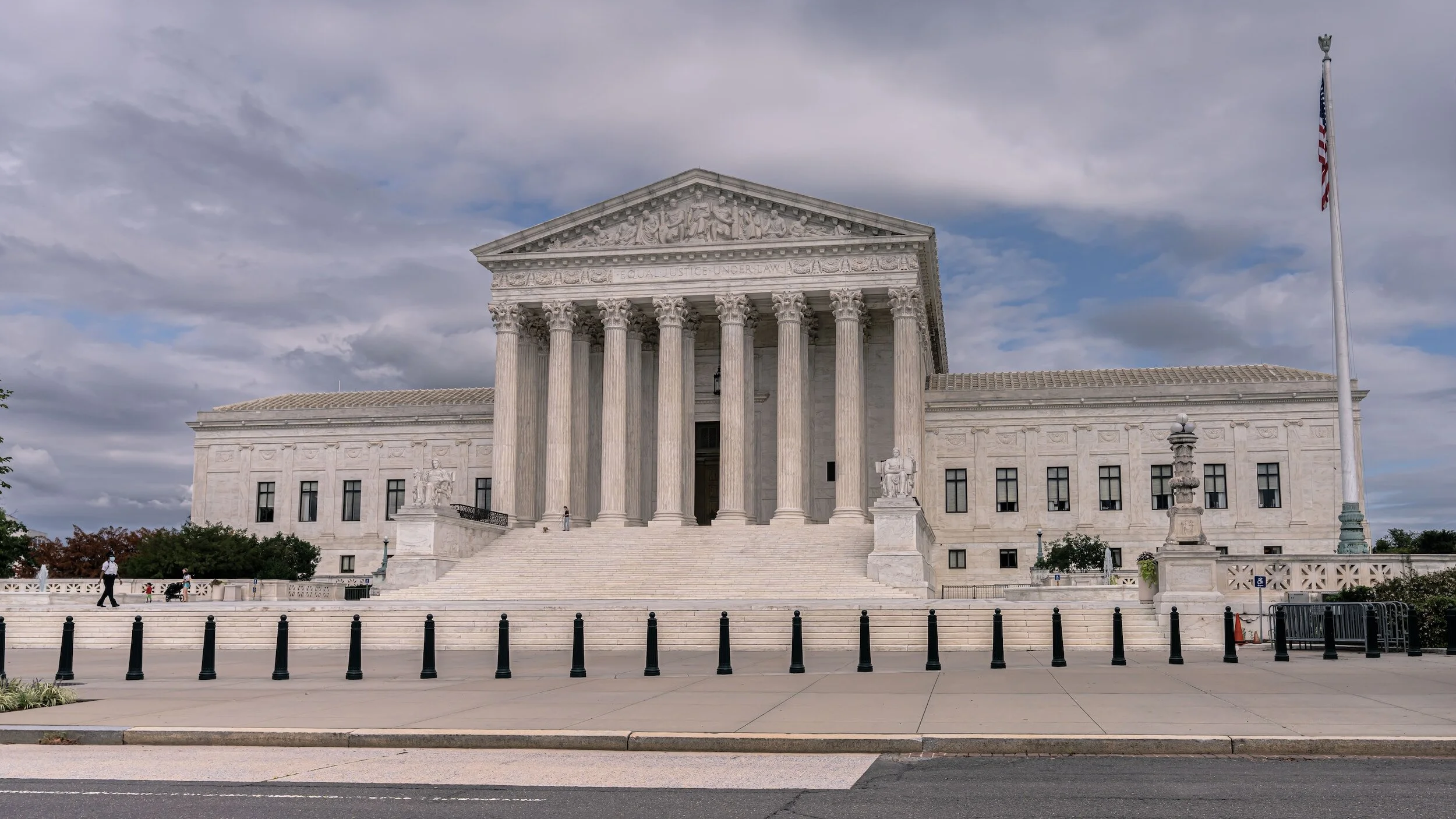
Lanton Law Quoted in Pharmacy Times Article Titled "Mifepristone Has its Day in Court"
Lanton Law was quoted in Pharmacy Times article titled “Mifepristone Has its Day in Court.” The article discusses the drug amid its backdrop in the U.S. Supreme Court.
Lanton Law was quoted in Pharmacy Times article titled “Mifepristone Has its Day in Court.” The article discusses the drug amid its backdrop in the U.S. Supreme Court.

Lanton Law Lobbies on Beacon Hill in Boston, Massachusetts for Pharmacy Issues
Lanton Law was on Beacon Hill this week advocating for pharmacy issues.
Lanton Law was on Beacon Hill this week advocating for pharmacy issues. We are happy to be working with several pharmacy allies within the legislature on meaningful issues around health promotion screening and pharmacy benefit manager transparency.

Lanton Law Quoted in Pharmacy Times Article "FDA Approves First Nonprescription Daily Birth Control Pill"
Lanton Law was quoted in the Pharmacy Times article titled “FDA Approves First Nonprescription Daily Birth Control Pill.”
Lanton Law was quoted in the Pharmacy Times article titled “FDA Approves First Nonprescription Daily Birth Control Pill.” The article can be viewed here.
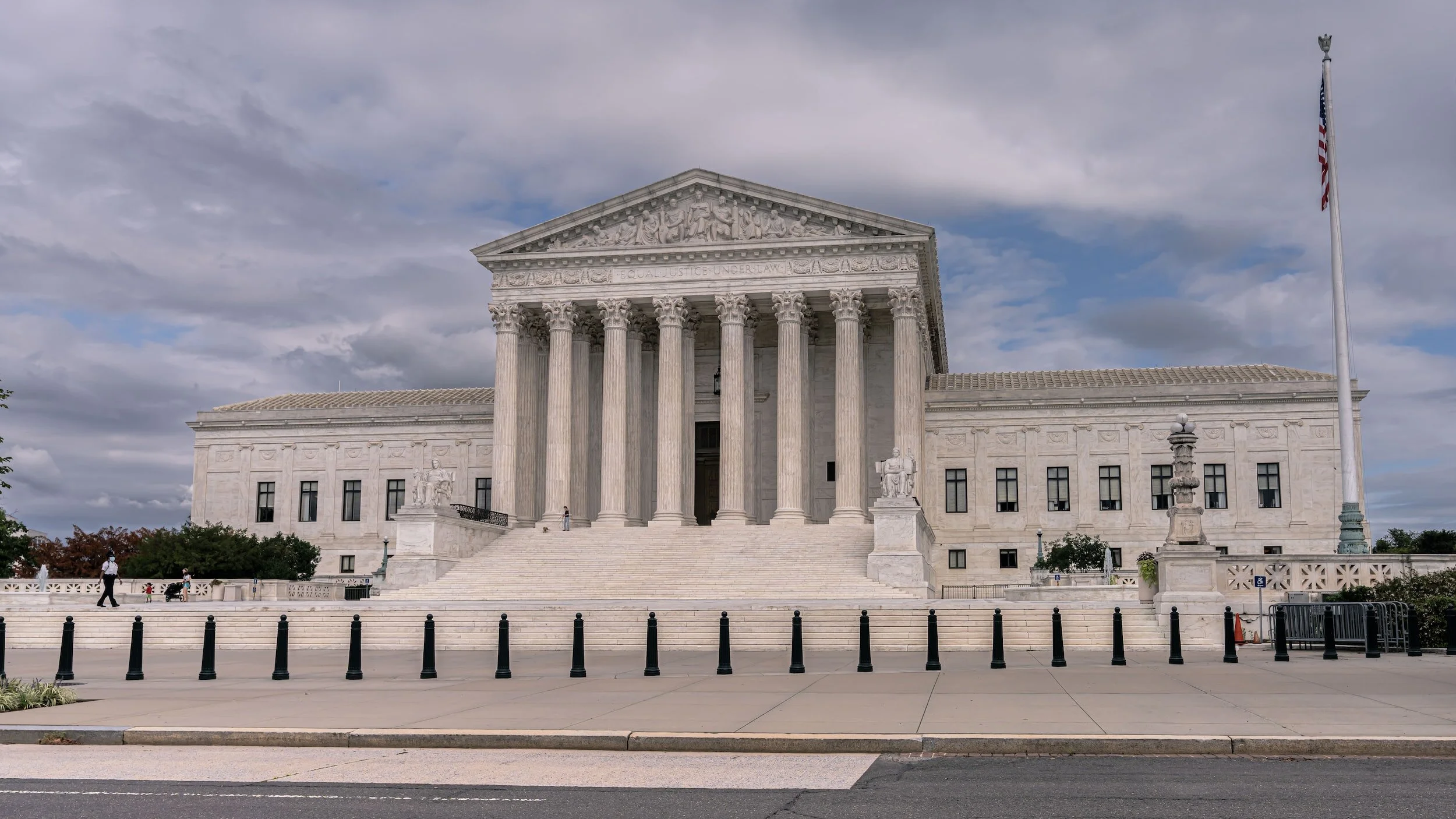
Latest Mifepristone Legal Debates Raise More Questions, Confusion for Health Care Professionals
Lanton Law speak with Pharmacy Times about the Supreme Court’s decision on Mifepristone.
Lanton Law speak with Pharmacy Times about the Supreme Court’s decision on Mifepristone. Click here for the interview.

Lanton Law Teams Up With MSHP on Health Promotion Screening Bill
On behalf of the Massachusetts Society of Health-System Pharmacists, we wrote an article advocating for the importance of health promotion screening in Massachusetts.
On behalf of the Massachusetts Society of Health-System Pharmacists, we wrote an article advocating for the importance of health promotion screening in Massachusetts. The Pharmacy Times article can be accessed here.

Lanton Law Speaks at Summit & Reverse Expo
We were pleased to be invited to Orlando, Florida to speak with IDN with our presentation titled “Price, Innovation & Policy: What’s on the Horizon for the Industry.
We were pleased to be invited to Orlando, Florida to speak with IDN with our presentation titled “Price, Innovation & Policy: What’s on the Horizon for the Industry.
Congressional Bill Advocating for Biosimilars and Generics Introduced
U.S. Senators John Cornyn (R-TX) and Richard Blumenthal (D-CT) have introduced the Affordable Prescriptions for Patients Act. The bill seen here seeks to lower drug prices by preventing bad actors’ anti-competitive use of patents to block generic and biosimilar competition from coming to market. The bill addresses two important issues such as product hopping and the patent dance.
U.S. Senators John Cornyn (R-TX) and Richard Blumenthal (D-CT) have introduced the Affordable Prescriptions for Patients Act. The bill seen here seeks to lower drug prices by preventing bad actors’ anti-competitive use of patents to block generic and biosimilar competition from coming to market. The bill addresses two important issues such as product hopping and the patent dance.
Product hopping: As far as product hopping, “the bill puts an end to this practice. It prohibits branded drug manufacturers from engaging in anticompetitive product hopping and facilitates entry to the market for generics and biosimilars, driving down drug costs.”
Patent dance: “This bill places a reasonable limit on the number of patents a manufacturer can contest, preventing a “patent thicket.” This will help deter branded manufacturers of biologics from gaming the system to increase the number of patents they assert, while preserving the incentives provided by the patent system to encourage the core innovation that produces new biologic treatments in the first place.”
Lanton Law is a national boutique law and government affairs firm that closely monitors legislative, regulatory and legal developments in the healthcare and life science spaces. Contact us to learn about how either our legal or lobbying services can help you attain your goals.

DEA Announces Proposed Rules for Telemedicine
The Drug Enforcement Administration has announced “proposed permanent rules for the prescribing of controlled medications via telemedicine, expanding patient access to critical therapies beyond the scheduled end of the COVID-19 public health emergency.
The Drug Enforcement Administration has announced “proposed permanent rules for the prescribing of controlled medications via telemedicine, expanding patient access to critical therapies beyond the scheduled end of the COVID-19 public health emergency. The public will be able to comment for 30 days on the proposed rules.”
Additionally, the “proposed rules would provide safeguards for a narrow subset of telemedicine consultations—those telemedicine consultations by a medical practitioner that has: never conducted an in-person evaluation of a patient; AND that result in the prescribing of a controlled medication. For these types of consultations, the proposed telemedicine rules would allow medical practitioners to prescribe:
a 30-day supply of Schedule III-V non-narcotic controlled medications;
a 30-day supply of buprenorphine for the treatment of opioid use disorder
without an in-person evaluation or referral from a medical practitioner that has conducted an in-person evaluation, as long as the prescription is otherwise consistent with any applicable Federal and State laws. The proposed rules are explained in further detail for patients and medical practitioners on DEA.gov.”
The proposed rule can be found here.
Lanton Law is a national boutique law and lobbying firm that focuses on healthcare/life sciences and technology. Our firm helps various stakeholders with operational issues, mergers and acquisitions, regulatory inquiries, audits, licensure, employment issues and contracting. Our lobbying efforts help entities nationwide grow business opportunities through carefully crafted legislation.
If you are an industry stakeholder with questions about the current landscape or if you would like to discuss how your organization’s strategic initiatives might be impacted by either Congress, regulatory agencies or legal decisions, contact us today.

What is Remote Patient Monitoring (RPM)?
Remote patient monitoring is an innovative way that healthcare providers are using to treat chronic and acute conditions. With COVID-19 spurring faster adoption of telehealth and RPM, the subject of RPM involves the connection of digital tools that record healthcare data that is reviewed by an off-site provider.
What is Remote Patient Monitoring (RPM)?
Remote patient monitoring is an innovative way that healthcare providers are using to treat chronic and acute conditions. With COVID-19 spurring faster adoption of telehealth and RPM, the subject of RPM involves the connection of digital tools that record healthcare data that is reviewed by an off-site provider. According to HHS, new treatment methods like RPM can help with the following conditions:
High blood pressure
Diabetes
Weight loss or gain
Heart conditions
Chronic obstructive pulmonary disease
Sleep apnea
Asthma
Many of the devices that patients will use may be familiar to them, including:
Weight scales
Pulse oximeters
Blood glucose meters
Blood pressure monitors Telehealth.hhs.gov
At Lanton Law we have been monitoring the both exciting and emerging field of RPM. We fully anticipate the conversation to continue to evolve into further regulatory definitions as well as appropriate reimbursement schemes.
Lanton Law is a national healthcare and technology boutique law and government affairs firm that closely monitors legislative, regulatory and legal developments for our clients. Our HealthIT practice can help stakeholders understand what’s at issue with topics like RPM, RTM and digital therapeutics so that we can help our valued clients. Contact us to learn about how either our legal or lobbying services can help you attain your goals.

FDA REMS Change for Abortion Pill Creates Opportunities, Questions for Pharmacists
Although the FDA has now allowed retail pharmacies to dispense mifepristone, a drug used for medicated abortions, questions still remain about the requirements for pharmacies and the availability of the drug. Lanton Law talks to Pharmacy Times in an interview about a post Dobbs world with mifepristone.
Although the FDA has now allowed retail pharmacies to dispense mifepristone, a drug used for medicated abortions, questions still remain about the requirements for pharmacies and the availability of the drug. Lanton Law talks to Pharmacy Times in an interview about a post Dobbs world with mifepristone. Click here for the interview.

Prescription Digital Therapeutics Bill Introduced in Congress
The Medicaid and CHIP Access to Prescription Digital Therapeutics Act also known as S. 5238 seen here was introduced on December 12, 2022 by Senator Capito (R-WV).
The Medicaid and CHIP Access to Prescription Digital Therapeutics Act also known as S. 5238 seen here was introduced on December 12, 2022 by Senator Capito (R-WV). The bill seeks to “require the Administrator of the Centers for Medicare & Medicaid Services to provide guidance regarding coverage of prescription digital therapeutics under Medicaid and the State Children's Health Insurance Program.” While this bill is a step forward for digital therapeutics, questions remain about this bill such as whether this bill will get introduced in the new Congress, will this bill create more access, reduce costs and is the correct reimbursement model?
At Lanton Law we have been monitoring the both exciting and emerging field of prescription digital therapeutics. While the technologies we have been witnessing are promising, there does remain the challenge of reimbursement, since there has not yet been a statutory benefit category established for this new technology.
Lanton Law is a national healthcare and technology boutique law and government affairs firm that closely monitors legislative, regulatory and legal developments for our clients. Our HealthIT practice can help stakeholders understand what’s at issue with topics like digital therapeutics, RTM and RPM so that we can help our valued clients reach their goals. Contact us to learn about how either our legal or lobbying services can help you attain your goals.

Lanton Law Talks Provider Status With Don Downing; Clinical Professor at the UW School of Pharmacy
We have a new podcast with Professor Downing of the University of Washington School of Pharmacy. We discuss pharmacy provider status and the opportunities within pharmacy.
We have a new podcast with Professor Downing of the University of Washington School of Pharmacy. We discuss pharmacy provider status and the opportunities within pharmacy. Listen here.

U.S. House passes legislation to extend telehealth waivers through 2024
The U.S. House of Representatives has passed passed the Advancing Telehealth Beyond COVID-19 Act of 2022 (H.R. 4040). The bill proposes to extend telehealth flexibilities under Medicare that were initially authorized during the public health emergency of COVID-19. The bill heads to the U.S. Senate.
The U.S. House of Representatives has passed passed the Advancing Telehealth Beyond COVID-19 Act of 2022 (H.R. 4040). The bill proposes to extend telehealth flexibilities under Medicare that were initially authorized during the public health emergency of COVID-19. The bill heads to the U.S. Senate.
Specifics of the proposal are as follows:
Provides that certain flexibilities continue to apply until December 31, 2024, if the emergency period ends before that date.
Beneficiaries to continue to receive telehealth services at any site, regardless of type or location (e.g., the beneficiary's home);
Occupational therapists, physical therapists, speech-language pathologists, and audiologists to continue to furnish telehealth services;
Federally qualified health centers and rural health clinics to continue to serve as the distant site (i.e., the location of the health care practitioner);
Evaluation and management and behavioral health services to continue to be provided via audio-only technology; and
Hospice physicians and nurse practitioners to continue to complete certain requirements relating to patient recertifications via telehealth.
The bill also delays implementation of certain in-person evaluation requirements for mental health telehealth services until January 1, 2025, or the first day after the end of the emergency period, whichever is later.
Lanton Law is a national boutique regulatory law and lobbying firm that focuses on healthcare/life science and technology. If you are an industry stakeholder with questions about the current landscape or if you would like to discuss how your organization’s strategic initiatives might be impacted by either Congress, regulatory agencies or legal decisions, contact us today.

American Data Privacy and Protection Act Introduced
In late June 2022 H.R. 8152 was introduced which seeks to provide consumers with foundational data privacy rights, create strong oversight mechanisms, and establish meaningful enforcement.
In late June 2022 H.R. 8152 was introduced which seeks to provide consumers with foundational data privacy rights, create strong oversight mechanisms, and establish meaningful enforcement.
What are some of the important aspects of the bill?
According to the Congressional Research Service the bill proposes the following:
Covered Entities. It would apply to most entities, including nonprofits and common carriers. Some entities, such as those defined as large data holders that meet certain thresholds or service providers that use data on behalf of other covered entities, would face different or additional requirements.
Covered Data. It would apply to information that “identifies or is linked or reasonably linkable” to an individual.
Duties of Loyalty. It would impose several duties on covered entities, including requirements to abide by data minimization principles and special protections for certain types of data, such as geolocation information, biometric information, and nonconsensual intimate images.
Transparency. It would require covered entities to disclose, among other things, the type of data they collect, what they use it for, how long they retain it, and whether they make the data accessible to the People’s Republic of China, Russia, Iran, or North Korea.
Consumer Control and Consent. It would give consumers various rights over covered data, including the right to access, correct, and delete their data held by a particular covered entity. It would require covered entities to get a consumer’s affirmative, express consent before using their “sensitive covered data” (defined by a list of sixteen different categories of data). It would further require covered entities to give consumers an opportunity to object before the entity transfers their data to a third party or targets advertising toward them.
Youth Protections. It would create additional data protections for individuals under the age of 17, including a prohibition on targeted advertising, and it would establish a Youth Privacy and Marketing Division at the Federal Trade Commission (FTC).
Third-Party Collecting Entities. It would create specific obligations for third-party collecting entities, which are entities whose main source of revenue comes from processing or transferring data that it does not directly collect from consumers (e.g., data brokers). These entities would have to comply with FTC auditing regulations and, if they collect data above the threshold amount of individuals or devices, would have to register with the FTC.
Civil Rights and Algorithms. It would prohibit most covered entities from using covered data in a way that discriminates on the basis of protected characteristics (such as race, gender, or sexual orientation). It would also require large data holders to conduct algorithm impact assessments. These assessments would need to describe the entity’s steps to mitigate potential harms resulting from its algorithms, among other requirements. Large data holders would be required to submit these assessments to the FTC and make them available to Congress on request.
Data Security: It would require covered entities to adopt data security practices and procedures that are reasonable in light of their size and activities. It would authorize the FTC to issue regulations elaborating on these data security requirements.
Small- and Medium-size Businesses: It would also relieve small- and medium-size businesses from complying with several requirements; for instance, these businesses may respond to a consumer’s request to correct their data by deleting the data, rather than correcting it.
Enforcement. It would be enforceable by the FTC, under that agency’s existing enforcement authorities, and by state attorneys general in civil actions.
Private right of action. It would create a delayed private right of action starting four years after the law’s enactment. Injured individuals would be able to sue covered entities in federal court for damages, injunctions, litigation costs, and attorneys’ fees. Individuals would have to notify the FTC or their state attorney general before bringing suit. Before bringing a suit for injunctive relief or a suit against a small- or medium-size business, individuals would be required to give the violator an opportunity to address the violation.
Preemption. It would generally preempt any state laws that are “covered by the provisions” of the ADPPA or its regulations, although it would expressly preserve sixteen different categories of state laws, including consumer protection laws of general applicability and data breach notification laws. It would also preserve several specific state laws, such as Illinois’ Biometric Information Privacy Act and Genetic Information Privacy Act and California’s private right of action for victims of data breaches.
Section by section specifics can be found here.
We are going to see more privacy proposals on the state and federal level.
Lanton Law is a national healthcare & technology law and government affairs firm. Our technology practice has been monitoring privacy developments nationwide. If you are a commerce, technology or healthcare/life science stakeholder with questions about the current landscape or if you would like to discuss how your organization’s strategic initiatives might be impacted by either Congress, regulatory agencies or legal decisions, contact us today.

Lanton Law Talks with Savages Drug About The Business of Pharmacy
We speak with Deb Rockwell; Business Manager at Savages’ Drug in Fairfield, Maine about the importance of understanding pharmacy accounts receivable.
We speak with Deb Rockwell; Business Manager at Savages’ Drug in Fairfield, Maine about the importance of understanding pharmacy accounts receivable. Listen the the interview here.

U.S. House Sends Chips and Science Act & Sends to the President For Signature
The U.S. House has passed the bipartisan Chips and Science Act of 2022. The bill can be viewed here. The bill aims to strengthen U.S. competitiveness with China by providing more than $52 billion for U.S. companies producing computer chips, as well as billions more in tax credits to encourage investment in chip manufacturing. It also provides tens of billions of dollars to fund scientific research, and to spur the innovation and development of other U.S. technologies.
The U.S. House has passed the bipartisan Chips and Science Act of 2022. The bill can be viewed here. The bill aims to strengthen U.S. competitiveness with China by providing more than $52 billion for U.S. companies producing computer chips, as well as billions more in tax credits to encourage investment in chip manufacturing. It also provides tens of billions of dollars to fund scientific research, and to spur the innovation and development of other U.S. technologies.
This legislation will provide several opportunities for both technology companies and technology stakeholders to expand and thrive.
Lanton Law is a national boutique law and lobbying firm that focuses on technology and healthcare. If you are a tech or healthIT industry stakeholder with questions about the current landscape or if you would like to discuss how your organization’s strategic initiatives might be impacted by either Congress, regulatory agencies or legal decisions, contact us today.

Amazon to Acquire Primary Health Care Provider
Amazon has decided to take another step forward in healthcare by acquiring One Medical.
Amazon has decided to take another step forward in healthcare by acquiring One Medical.
According to the press release “One Medical is a human-centered, technology-powered national primary care organization on a mission to make quality care more affordable, accessible, and enjoyable through a seamless combination of in-person, digital, and virtual care services that are convenient to where people work, shop, and live.”
Amazon will acquire One Medical for $18 per share in an all-cash transaction valued at approximately $3.9 billion, including One Medical’s net debt.
We have been monitoring Amazon’s healthcare moves for a while. In 2017 we forecasted our thoughts in a blog post with Victor Morrison on whether the company would wade into healthcare. We posted when Amazon Launched its U.S. Pharmacy Business and followed their moves into biometrics. This is definitely not the last move the company will make in healthcare. The only issue is whether there will be antitrust scrutiny.
Lanton Law is a national boutique regulatory law and lobbying firm that focuses on healthcare/life science and technology. If you are an industry stakeholder with questions about the current landscape or if you would like to discuss how your organization’s strategic initiatives might be impacted by either Congress, regulatory agencies or legal decisions, contact us today.

Expert Discusses Long-Term Implications of Roe V. Wade Decision for Pharmacists, Contraception Access
In an interview with Pharmacy Times, Ron Lanton III, Esq, partner at Lanton Law, discussed the recent Supreme Court ruling on Dobbs v. Jackson Women’s Health and what this could mean for pharmacists. In the interview, Lanton said the decision leaves many things ambiguous, which will most likely result in litigation around the country in the coming weeks and months.
In an interview with Pharmacy Times, Ron Lanton III, Esq, partner at Lanton Law, discussed the recent Supreme Court ruling on Dobbs v. Jackson Women’s Health and what this could mean for pharmacists. In the interview, Lanton said the decision leaves many things ambiguous, which will most likely result in litigation around the country in the coming weeks and months.
The interview can be viewed here. We have also provided the text from Aislinn Antrim’s interview at Pharmacy Times below:
In an interview with Pharmacy Times, Ron Lanton III, Esq, partner at Lanton Law, discussed the recent Supreme Court ruling on Dobbs v. Jackson Women’s Health and what this could mean for pharmacists. In the interview, Lanton said the decision leaves many things ambiguous, which will most likely result in litigation around the country in the coming weeks and months.
Aislinn Antrim: Hi, I'm Aislinn Antrim with Pharmacy Times,and I'm here with Ron Lanton, partner at Lanton Law, to discuss the recent Supreme Court decision in Dobbs v. Jackson Women's Health and what this means for pharmacists, contraception access, and all of these other questions. So to get started, can you explain the Supreme Court reasoning in this case?
Ron Lanton III, Esq: Absolutely. And before I get started, let me just put a disclaimer out there that while I'm not going to be discussing my personal views about the Supreme Court decision, I'm just going to talk like a lot of health care providers are probably talking right now, where they're just trying to figure out what happened, and what does this mean for them. So, with that out of the way, I'll quickly explained Dobb.
So basically, what happened in this case is that Roe v. Wade and Casey v. Planned Parenthood were both actually overturned by the Supreme Court on the basis that abortion at any time was not protected by the constitution. So basically, what they've done is that they didn't really put any standards around what they thought abortion was, or you know, how many weeks there should be at, because they felt that the state should actually control the outcome. So, the facts within Dobbs is that the state of Mississippi banned abortions at 15 weeks, which is pre-viability (viability referring to if the fetus can survive outside of the womb). And what Justice Alito said, writing for the majority opinion, is a quote that I wanted to make sure that everybody has heard in case they have not read the opinion. And the quote talks about this, it says, “The inescapable conclusion is that a right to abortion is not deeply rooted in the nation's history and traditions. On the contrary, an unbroken tradition of prohibiting abortion, on pain of criminal punishment, persisted from the earliest days of the common law until 1973.” So, this is definitely a landmark decision. You know, my entire life has been post-Roe. So, this is going to be very, very different for a lot of people and we'll see what happens.
Aislinn Antrim: Definitely. Where do states stand currently in terms of abortion access? And where do you see this headed in the coming weeks and months?
Ron Lanton III, Esq: I see a lot of litigation coming in the next weeks and months. Right now, it's kind of weird how we say this, because right now, there are 5 states where abortion is either illegal or banned. Those states are Texas, South Dakota, Oklahoma, Louisiana, and Kentucky. Soon there will be 16. And the reason I say that is because of what's called trigger laws. So basically, if Roe was ever overturned, which it was in this case, there were some states that have laws in the books that said, should this happen, then, you know, within 30 days abortions will be banned in that state.There is also another thing called zombie lawsthat are out there, in addition to the trigger laws, and what zombie laws are, is that these are pre-Roe abortion laws that may come back, they were never officially taken off of the books. So, they're just kind of there and a lot of states really don't know what to do with these and businesses that are operating there don't know what to do with these, or if they'll ever come back. So that number, while it may go up to 16 with the trigger laws, it may be more with these zombie laws. So, we really have to do a close scrutiny of what's on the books. And I think that if health care providers are wondering what that might be, I would just suggest that they look and see if their states do in fact have these laws on the books. There have been some states, though, that have taken the stance that they will be arresting medical providers that actually attempt to do these services. So, my prediction is just like I mentioned earlier, is that we're probably going to see a lot of different lawsuits, just for people that are trying to understand their rights and what they can and can't do, especially the health care providers.
Aislinn Antrim: Absolutely. There are many things that are still really unclear. One of the major things that's come into play is access to mail-order abortion pills, and from my understanding, the FDA has permanently allowed these pills to be accessible by mail. But some governors are still looking to ban them. Can you explain this, what this means, and where it stands?
Ron Lanton III, Esq: Yeah, of course. Well, the FDA has been using the pill since 2000, and in December of 2021 what they did was they had some labeling and some evidence-based medicine requirements that they put in and finalized in December of 2021. I can't really speak to specifics about what those are. I know they did them, but if people are interested, I would just go to the FDA and just look. They have that stuff there on their site. The FDA does allow the pill to be prescribed by mail or by telehealth and it's authorized for use during the first 10 weeks of pregnancy. And what was interesting was that when I was looking at this is that more than half of the abortions in the United States are actually medication abortions, which I did not know.
You have mentioned some of the anti-abortion policies that tend to happen with this. So, there have been some anti-abortion states that have laws on the books that stipulate that this pill either has to be given in-person or it has to be prescribed, instead of done through telehealth or by mail. And also, they're saying it's only allowed through the seventh week, whereby the FDA says that it's the tenth week. So that's different. So, what we're seeing here, and what we're also hearing, is that some states may even try to ban the pill. And there's questions legally on whether they can do this. It's really a Tenth Amendment versus Supremacy Clause question. You know, I don't think the FDA, this is just me personally, I think you should check this out. But you know, just for me, I'm not sure you could do that as a state, just legally, with something that the FDA has already approved. It's also going to come down to what the Board of Medicine in your particular state is allowing a physician to do. So, these are just other things that a health care provider would have to check out.
I do think it is interesting to bring up what the Department of Justice has said about this very issue. So, here's a quote I’d like to share with you. So, in what the Department of Justice has said, has stated, “…and we stand ready to work with other arms of the federal government that seek to use their lawful authorities to protect and preserve access to reproductive care. In particular, the FDA has approved the use of medication (Mifeprex). States may not ban this based on disagreement with the FDA’s expert judgment about safety and efficacy.” So, if a state has a policy where it's just challenging the safety of it, that's not going to stand. So, what really remains to be seen is if states are going to continue to do this regardless, we'll have to see.
Aislinn Antrim: Very interesting. And there are also states where legislators are attempting to interpret IUDs as abortion to restrict their access. What is the legal basis for this? And what are the implications if they are successful?
Ron Lanton III, Esq: Yeah, so let's go back to the Supreme Court majority opinion. In this case, they said that other rights, like the rights to contraception and marriage, do not discuss the ending of human life as abortion does. So, they tried to make a distinction in this ruling. Now, with what you just brought up, I started thinking about Plan B and copper IUDs because those stop an already fertilized egg or an embryo from implanting and thus creating the pregnancy. Right? So, the argument Dobbs was they sided with Mississippi in that Mississippi could deny an abortion at pre-viability, which they already ruled that they can. So, therefore, a state could potentially rule with regards to Plan B or the copper IUD, that these are not contraception and that they are a form of abortion. I mean, theoretically it could happen, as they stop an embryo from implanting, thus stopping human life. So especially if the state believes that human life starts at fertilization, and not implantation. So, many health care providers are definitely likely to be concerned about this because it could also affect IVF treatments. Basically, this ruling has allowed states to ban abortion but kind of has left the door open because they were ambiguous on, you know, they didn't say anything about weeks or what abortion was, there was no definition about it. So, this could potentially bleed over into contraception. So honestly, a legal basis for this could be a new law that describes when human life starts, such as fertilization instead of implantation. So, Dobbs opened the door to that and, you know, that's another one of those things we just don't know.
Aislinn Antrim: Definitely. Many people are urging the Biden administration and Congress to codify a right to abortion. Do you have a sense of whether this could happen or where this stands?
Ron Lanton III, Esq: Well, let's just talk about the Senate makeup right now. So, to get anything passed in Congress has been very difficult to do lately because of just the hyper-partisanship stuff that's been going on. And the Senate, it's almost like forget about it. You know, if you don't have those 60 votes to satisfy the threshold, then you're just not getting anything done. So right now, with an issue this divisive—and really, I mean, anything can be hyper-partisan but, you know, this is definitely one of those issues. I don't know if they can get anything passed in the Senate that could codify Roe.
Now, I like to go back to whether it's accurate when we say codify Roe, because Roe v. Wade hasn't been in place since 1992. And the reason I say that is because the Supreme Court had the Casey v. Planned Parenthood case that I referenced earlier, which was also overturned with Roe in the Dobbs decision. Now, in Casey, the court upheld Roe’s decision holding that a woman has the right to choose to terminate a pregnancy up until the point of fetal viability, and that states could restrict abortion after that point, subject to exceptions such as, you know, protecting the life and health of the pregnant woman. But in Casey the court said that Roe too severely limited state regulation prior to fetal viability and held that states can impose restrictions on abortion throughout pregnancy to protect potential life, as well as the maternal health, which, you know, which has been status quo up until just recently. What was also interesting about Casey is that had had the undue burden test, which basically said that states can't make a law that makes it too hard for someone that wants to seek an abortion. So again, that's been status quo until now. And now we're really not sure what's going to happen.
Aislinn Antrim: Definitely. Going back to what you were saying a few minutes ago, there are also discussions of whether a future Supreme Court case could impact contraception access. What could this look like from a policy or legal standpoint?
Ron Lanton III, Esq: I think [policy and legality] these are 2 related issues, but when we're looking at legalities, I mean, you know, we can split hairs all day but those legally are 2 different issues. So, for contraception that prevents fertilization, you know, such as the pill, that would require a state to draft an entirely new law that outlawed contraception. And that would have to be pushed through several states, and then in order to get to the Supreme Court, someone would have to challenge that and make it all the way up through the ladder. So, these cases are coming faster than they used to before, but that's the process that would have to happen. The rights of contraception is a bit different than what we were talking about in Dobbs because the contraception was actually a different case based on Griswold v. Connecticut. And that basically held that married couples have a protected right to privacy, and that this is being violated by states banning contraception. So, Griswold was not overturned or even mentioned in the majority opinion. Now, I think what has people talking is the Justice Thomas concurring opinion, which basically said that we ought to look at cases like Griswold. Well, that's different from the majority opinion. So, the majority opinion is what we base everything off of now. Concurring opinions happen, judges put their opinions in there all the time. Whether someone later may look at that concurring opinion and shape a different policy, legally or whatnot, that remains to be seen. But the majority opinion did not talk about Griswold. I just want to make sure that was very clear.
Aislinn Antrim: Definitely. Thank you. Could this Dobbs ruling potentially impact the legality of scientific research and innovation in the area of women's health and contraception?
Ron Lanton III, Esq: Yes. So, any current or future research that is connected to the use of an already fertilized egg or an embryo may be deemed unlawful by a state, depending on what their abortion laws actually are. So, as we talked about earlier, Dobbs opens the door for states to determine when human life actually begins. And they're now able to put in their own standards about how they feel about abortion. So, I think in order to answer your question, it really depends on how the state is going to regulate the practice of medicine. So, it’s going to come down to where you live and how medicine is regulated.
Aislinn Antrim: With a wide range of restrictions varying state-to-state, do you have any resources or suggestions for pharmacists who may not know exactly how to handle things in their state, what's legal what they can and can't do? Where can they look?
Ron Lanton III, Esq: That's a good question. I think if I were a pharmacist in this environment, I would definitely look at the Board of Pharmacy to see if there's any guidance about that. I think the second thing that you have to do is really understand how Plan B is going to be regulated. And I think if that's the case, you might want to call an attorney—I'd hate to even get to that kind of level, but you want to make sure that you're complying with what is going on. But I think an issue that most people miss is privacy and HIPAA. And, you know, if you have someone that's coming to a pharmacy that is in a state like the Northeast, where it's pretty much status quo with how they're going to rule or regulate this issue, you know, you can't be telling another state what's going on based on that. So, you really should understand your privacy laws and just look at that in your state. And just make sure you have a good understanding of HIPAA, which will help you in your practice going forward. So, I think those are the 3 places that I would look at first, to make sure. So, make sure that you understand your privacy, get a lawyer if you have questions about things, and just make sure that you're familiar with Board of Pharmacy and their policies and procedures.
Aislinn Antrim: Absolutely. Well, we've covered a lot. Is there anything that you wanted to add?
Ron Lanton III, Esq: I wish I could, I wish I had a crystal ball to kind of figure out how all this is going to go. Like I said, I think with this decision it's going to be a lot of litigation. So, this is not going to be over by, you know, any short imagination. This is going to go on for quite a while. And the only thing that could change things again, back to the way things were, is either an act by Congress, which would invalidate a court decision, or this comes back up through the Supreme Court again and they rule a different way. So that's a long way of me saying that we just have to wait and see what happens.
Aislinn Antrim: Absolutely. Well, thank you so much for diving into this with me.
Ron Lanton III, Esq: You’re welcome, thank you for the time.