
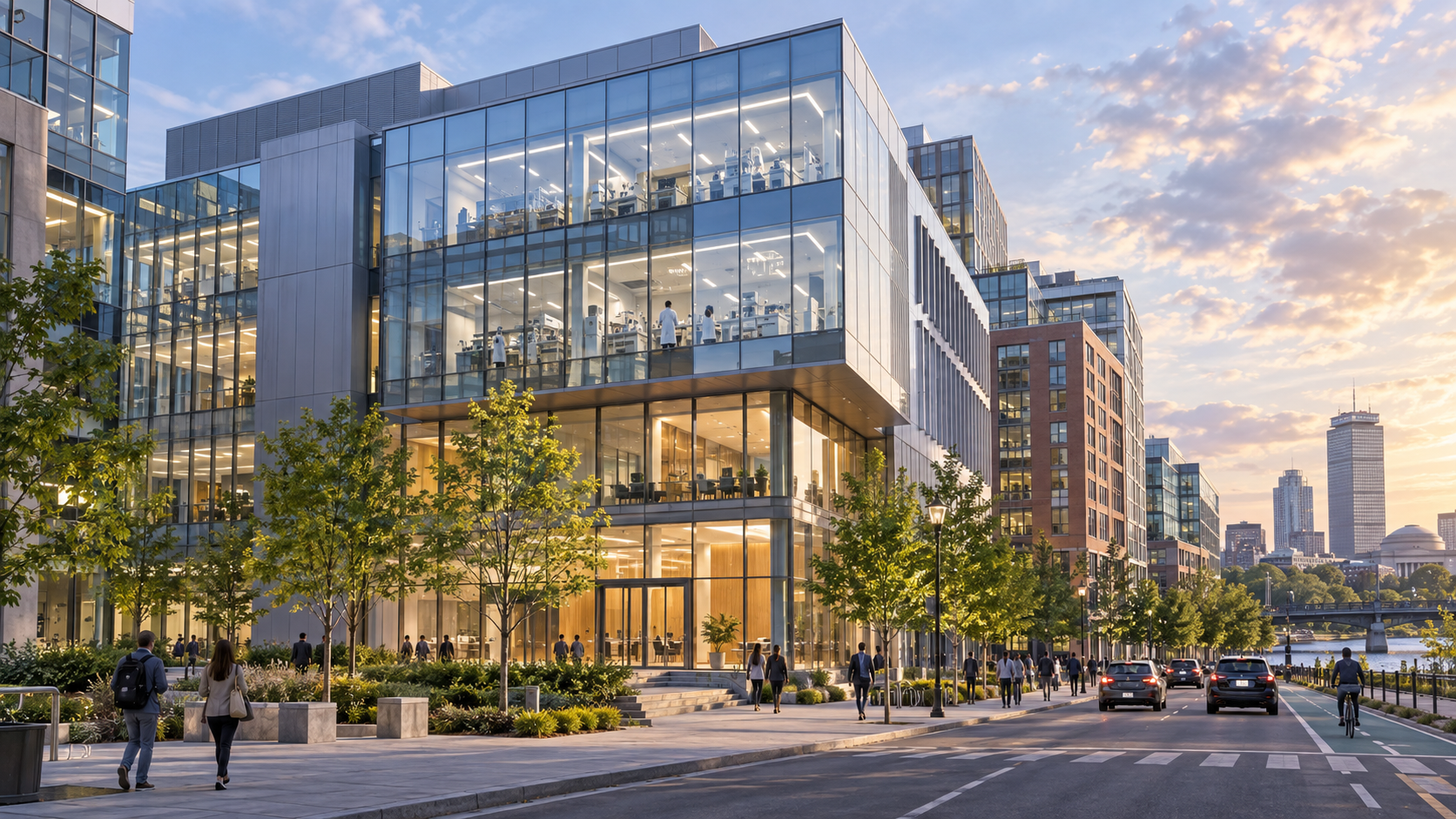
Kendall Square Lab Space: A Different Leasing Market for Life Sciences Companies
Kendall Square remains a global life sciences hub, but the market for laboratory space has changed. Greater availability is giving companies an opportunity to look beyond rent and negotiate for greater flexibility in buildouts, assignments, expansion rights and future transactions.
Kendall Square remains one of the most important life sciences centers in the world. The market for laboratory space surrounding it, however, looks very different than it did just a few years ago.
Greater Boston's lab market vacancy reached 28.7% in the second quarter of 2026, according to CBRE, while overall availability reached 32.8%. Cambridge performed better than many surrounding submarkets, recording nearly 194,000 square feet of positive absorption during the quarter. Even so, rents have continued to decline and market conditions remain favorable to tenants.
For life sciences companies, that changes the conversation.
More Space Means More Than Rent Negotiations
A company entering a new lease, renewing existing space, or considering an expansion may have more leverage than it did during the peak of the lab market. That leverage should not be measured only by the rental rate.
Life sciences space can require substantial investment in laboratories, specialized equipment, utilities, HVAC systems and other infrastructure. The terms governing those investments can have financial consequences long after the lease is signed.
Companies should be looking closely at issues including:
tenant improvement allowances and responsibility for buildout costs;
rent commencement if construction or delivery is delayed;
expansion, contraction, renewal and sublease rights;
permitted laboratory uses and hazardous materials provisions;
decommissioning and restoration obligations; and
assignment and change of control provisions.
The last point can be particularly important in the life sciences industry.
A company negotiating a lease today may raise capital, acquire another business, be acquired itself, or significantly change its space requirements before the lease expires. A lease that provides flexibility for those events can become a meaningful business asset. A lease that does not can complicate a future transaction.
A Different Market Requires a Different Approach
The Greater Boston life sciences market is showing some signs of stabilization. Leasing activity has picked up, construction has slowed considerably, and Cambridge continues to attract companies. At the same time, vacancy remains historically high and asking rents continue to soften.
That combination creates opportunity.
For companies considering lab space in Kendall Square, Cambridge, or elsewhere in Greater Boston, the question should not simply be whether today's market offers a better deal.
The better question is whether the lease gives the business enough flexibility for what might happen next.
Lanton, Lanton & Sosa Law advises businesses on commercial real estate transactions and the corporate, regulatory and strategic issues that can accompany them.