

AI Can Help HR. It Shouldn’t Make Your Employment Decisions
AI can be a useful HR tool, but it should not make legal employment decisions. Terminations, accommodations, workplace complaints, leave issues and investigations often depend on facts, history and legal considerations that AI may never see. Employment counsel can help companies understand the risk before a decision becomes a problem.
AI is becoming part of everyday business, and HR is no exception. It can help organize information, draft a job description, summarize a policy or help a manager prepare for a meeting. Where companies can get into trouble is using AI to answer the legal question behind an HR problem.
An executive may have an employee who has been underperforming. A manager may want to terminate someone. An employee may ask for an accommodation, raise a complaint about a supervisor or question their pay, leave or job classification. It is easy to type the situation into an AI program and ask, “Can we do this?” That is where I would be careful.
HR problems usually have a history. What happened six months ago can matter just as much as what happened today. Was the employee previously disciplined? Did the employee recently complain about discrimination, wages, safety or another workplace issue? Has the company treated other employees the same way? Is there a medical issue, leave request or accommodation involved? What has the manager already said in emails, text messages or prior meetings?
Those facts can completely change the legal analysis. AI only knows what you tell it. An employment lawyer should be asking about the things you may not realize matter.
Executives understandably want direct answers, especially when a personnel issue is taking up time and creating disruption. Sometimes there is a straightforward answer. Other times, the right answer is, “Let me see the documentation first.” A termination that looks simple may raise questions involving discrimination, retaliation, protected leave, disability accommodation, wage issues, an employment agreement or the company’s own policies.
The same applies to discipline, compensation changes, internal investigations and responses to employee complaints. The legal issue is often not simply whether the company has a reason to act. It is whether the company can explain and defend how it acted.
Consistency also matters. If two employees engage in similar conduct and one is terminated while the other receives a warning, there may be a perfectly legitimate explanation. There may also be a problem. AI does not know how your company handled a similar situation last year unless someone gives it that history. It does not know what another manager may have promised, what prior complaints were made or why one employee’s situation is different from another’s.
There is also another practical concern. HR departments deal with some of the most sensitive information inside a company. Employee medical information, compensation, workplace complaints, investigations, performance concerns and potential litigation should not automatically be copied into an AI platform simply because it is convenient. Companies should understand what AI tools their employees are using, what information is being entered into them and what internal rules apply.
None of this means AI should be avoided in HR. Used properly, it can save time and make people more efficient. The important distinction is between using AI to assist with the work and using it to make the legal judgment.
Use AI to help organize the question. Use your employment lawyer to help answer it.
When the issue involves a termination, workplace complaint, accommodation, leave request, wage question, investigation or another decision that could create legal exposure, a short conversation with counsel before the company acts can be much more valuable than trying to fix the decision afterward. In HR, one email, one conversation or one poorly handled decision can become detrimental later.
This article is for general educational purposes only and does not constitute legal advice. Employment law questions depend on the specific facts and applicable law. Employers should consult qualified counsel regarding their particular circumstances.
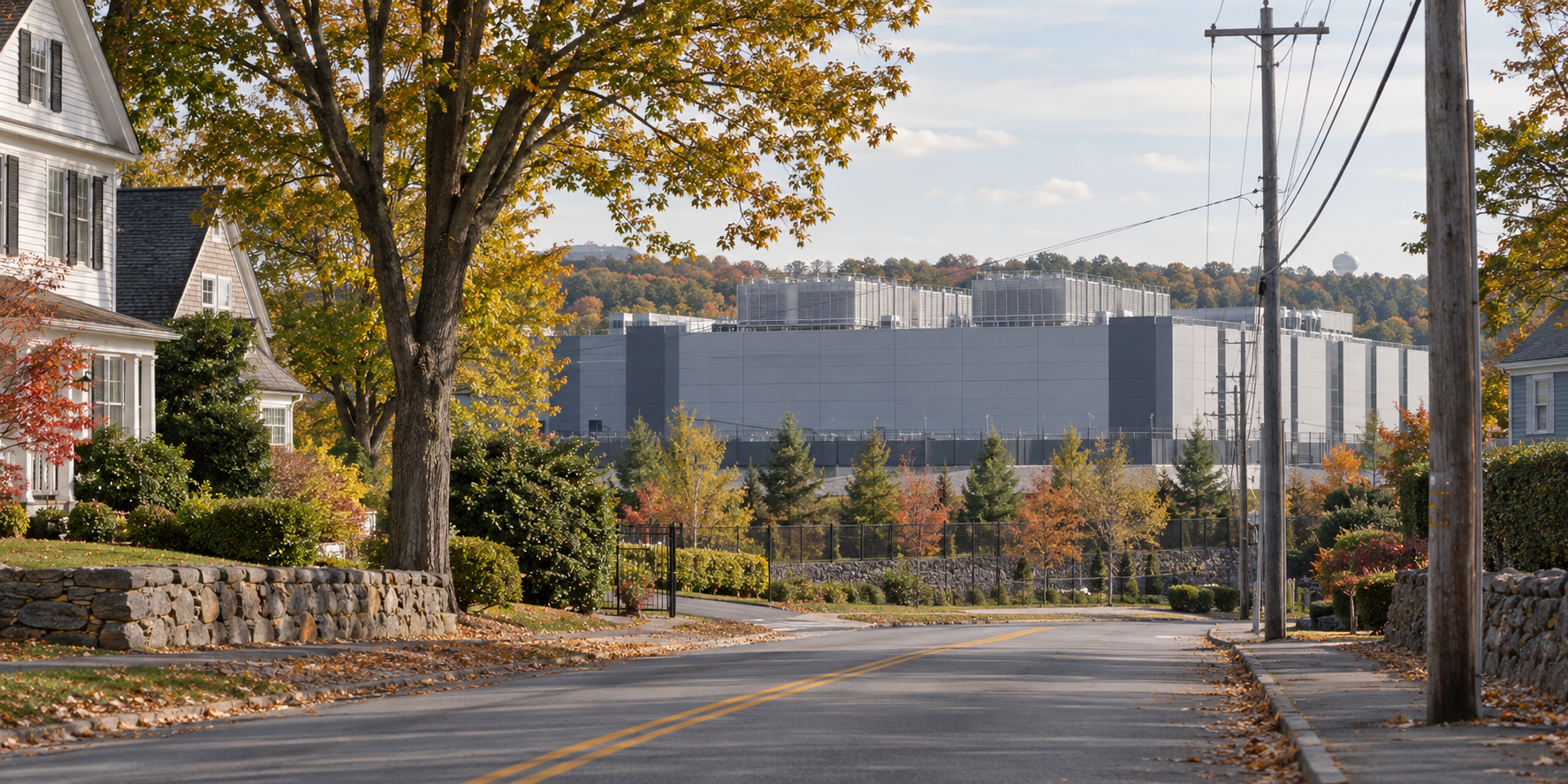
Lowell’s Data Center Dispute Offers a Warning for Massachusetts Developers
A Lowell court dispute shows why Massachusetts data-center developers and municipalities must address permitting, backup power, land use and community concerns early.
Massachusetts is beginning to see the practical legal consequences of the data-center boom.
A recent dispute in Lowell involved a large facility operated by the Markley Group near residential neighborhoods. Residents challenged aspects of the facility’s air permitting and asked the court to stop the installation of four additional diesel generators.
On August 10, 2026, a Massachusetts Superior Court judge granted that request while the case continues. The order did not shut down the entire facility or cancel every existing approval. It stopped installation of the four generators that had not yet been installed.
That narrow result is important. A project can have regulatory approvals and still face a targeted court challenge that affects construction, operating capacity and financing.
Why backup power matters
Large data centers need dependable electricity. Backup generators may be necessary, but they also create questions about emissions, noise, fuel,, testing, operating hours and proximity to homes or other sensitive locations.
Those questions can become part of an air-permit challenge, a local hearing or a broader dispute over whether the project’s effects were fully considered.
Before filing or expanding a project, developers should determine which permits are required for the generators and related equipment, what operating limits apply, whether emissions and noise were adequately documented, whether the expansion requires a new or modified approval, and how a potential delay could affect financing, construction and service commitments.
Location changes the risk
A facility near established neighborhoods will draw more attention than one in a remote industrial area. Residents may raise concerns about noise, diesel emissions, water use, traffic and property values. Those concerns can lead to administrative appeals, litigation or political pressure for new restrictions.
The environmental-justice dimension also matters. Communities want understandable information about the project and a meaningful opportunity to participate before major infrastructure is installed.
What municipalities should consider
Municipalities should make sure their zoning and permitting procedures clearly address data centers and related equipment. They should apply standards consistently, obtain enough technical information to evaluate the proposal and create a record showing how public concerns were considered.
Informal or inconsistent conditions may create problems later for both the town and the developer.
The practical lesson
The Lowell case does not decide whether Massachusetts should approve or reject data centers. It does make one point clear: a permit is not the end of the process.
Developers should address power, backup generation, environmental effects and community concerns before construction begins. Municipalities should be prepared to explain how their rules apply and why their decisions are supported by the record.
Projects that plan for those issues early will be in a stronger position when the next proposal reaches a public hearing—or a courtroom.
This article is provided for educational and informational purposes only. It is not legal advice and does not create an attorney-client relationship. Lanton, Lanton & Sosa Law PLLC can advise clients on matters involving land use, permitting, infrastructure and related regulatory issues.