
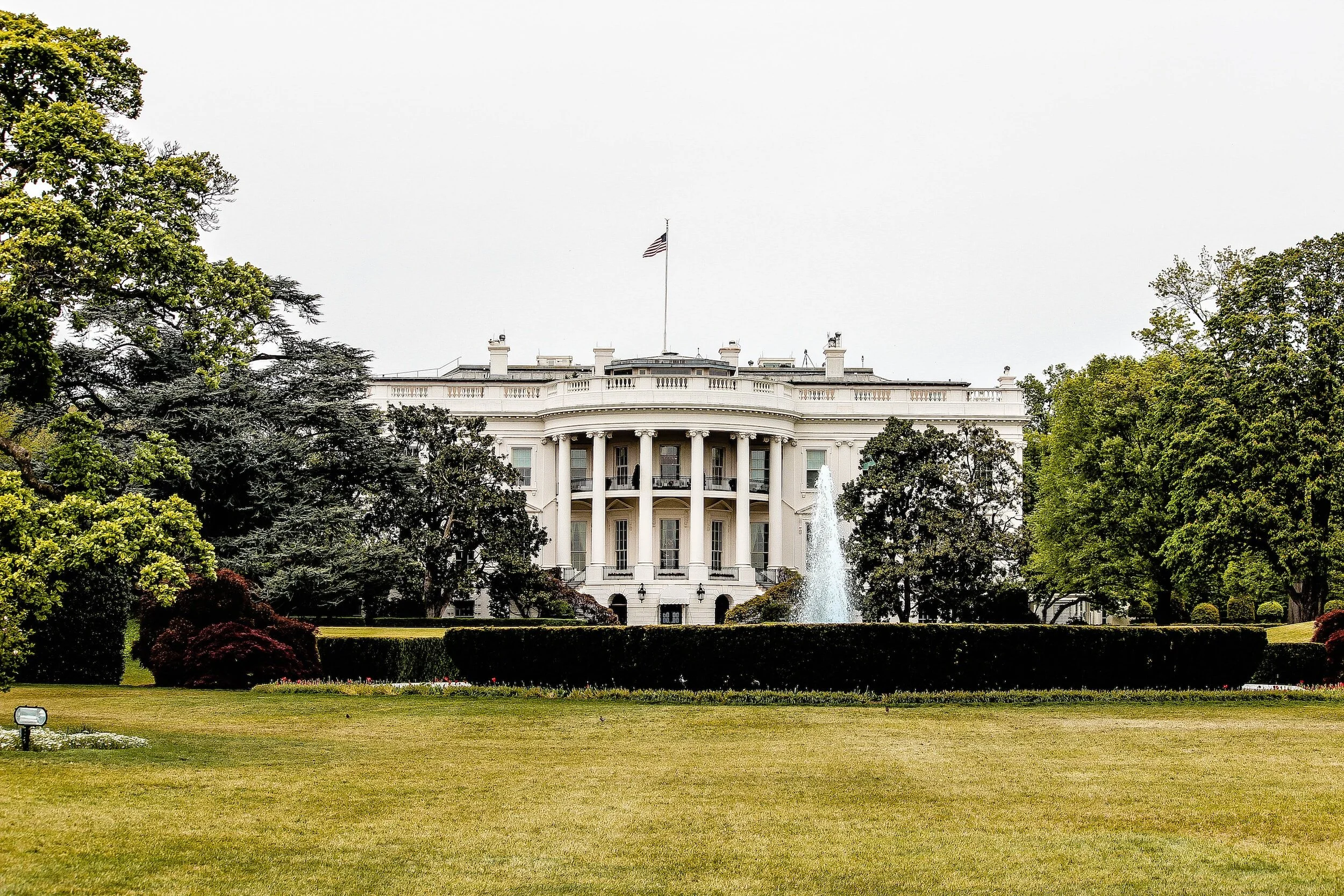
President Biden Signs Executive Order to Regulate U.S. Investments in Sensitive Technologies in Countries of Concern
President Biden signed an executive order on August 9, 2023, that will regulate certain U.S. investments in countries of concern in entities engaged in activities involving sensitive technologies critical to national security. The order specifically targets investments in semiconductors and microelectronics, quantum information technologies, and artificial intelligence.
President Biden signed an executive order on August 9, 2023, that will regulate certain U.S. investments in countries of concern in entities engaged in activities involving sensitive technologies critical to national security. The order specifically targets investments in semiconductors and microelectronics, quantum information technologies, and artificial intelligence.
The order identifies the People's Republic of China (PRC) as a country of concern and requires the Secretary of the Treasury develop a program to regulate U.S. investments in these sensitive technologies in countries of concern. The program will prohibit certain investments in entities that engage in specific activities related to these technology areas that pose the most acute national security risks, and require notification for other sensitive investments.
The order is designed to prevent foreign countries of concern from exploiting U.S. investment in these sensitive technologies to develop military, intelligence, surveillance, and cyber-enabled capabilities that risk U.S. national security.
If you are a technology company and you are concerned about how to navigate an evolving regulatory environment, contact Lanton Law today. We stay up-to-date on the latest technology policy and legal trends and can help you implement new business strategies.

EXIM Policies Impacting Biotechnology & Life Science Stakeholders
The Export-Import Bank of the United States (EXIM) has established some new policies that will impact several stakeholder groups, especially biotechnology, biomedical sciences and life sciences stakeholders.
The Export-Import Bank of the United States (EXIM) has established some new policies that will impact several stakeholder groups, especially biotechnology, biomedical sciences and life sciences stakeholders.
According to the EXIM’s release, the “EXIM’s historic seven-year reauthorization (P.L. 116-94), signed into law December 20, 2019, directs EXIM to establish a new “Program on China and Transformational Exports” (see Sec. 402). The Program’s purpose is to support the extension of loans, guarantees, and insurance, at rates and on terms and other conditions, to the extent practicable, that are fully competitive with rates, terms, and other conditions established by the People’s Republic of China or by other covered countries (as designated by the Secretary of the Treasury). The law charges EXIM with a goal of reserving not less than 20 percent of the agency’s total financing authority (i.e., $27 billion out of a total of $135 billion) for support made pursuant to the program, with a focus on specific industries.”
To achieve full implementation, EXIM will hold a July 16th call with Biotechnology and Biomedical Sciences. Additional information on this call can be found here.
Lanton Law is a national boutique law and government affairs firm that focuses on healthcare/life sciences, technology and finance. If you are an industry stakeholder with questions about the current landscape or if you would like to discuss how your organization’s strategic initiatives might be impacted by either Congress, regulatory agencies or legal decisions, contact us today.