
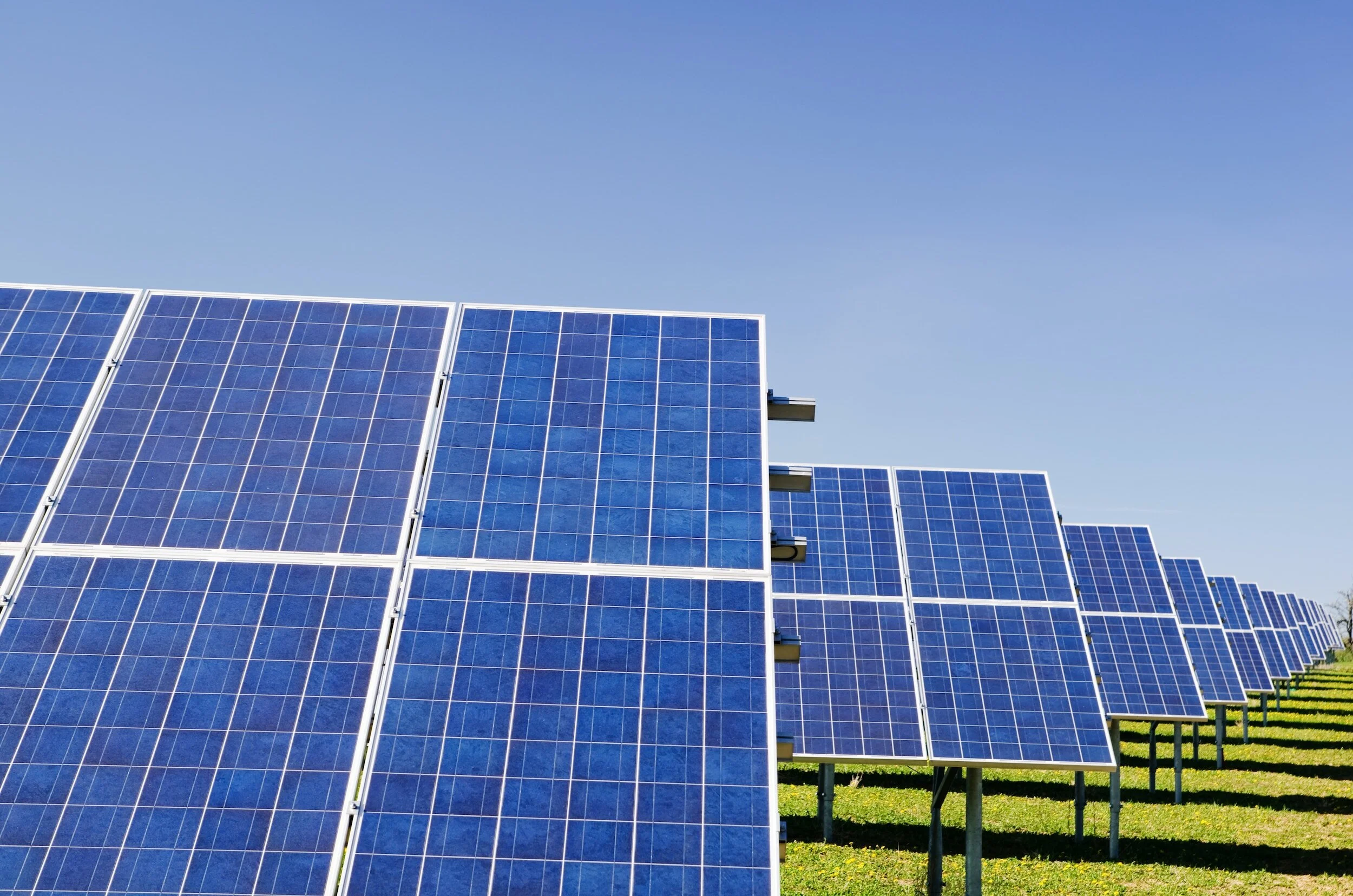
What are the clean energy elements discussed within the Inflation Reduction Act (IRA)?
What are the clean energy elements discussed within the Inflation Reduction Act (IRA)? The IRA invests $369 billion in clean energy and energy efficiency programs. This investment is designed to reduce the United States' reliance on foreign oil and bring down energy prices.
The IRA invests $369 billion in clean energy and energy efficiency programs. This investment is designed to reduce the United States' reliance on foreign oil and bring down energy prices. The clean energy sections of the IRA include:
Extending and expanding the Production Tax Credit (PTC) and Investment Tax Credit (ITC) for renewable energy. These tax credits make it more affordable for businesses to invest in renewable energy projects.
Investing in clean energy research and development. This investment will help to accelerate the development of new clean energy technologies.
Creating a new Clean Electricity Performance Program. This program will reward utilities for generating electricity from clean sources.
Investing in energy efficiency programs. This investment will help to reduce energy consumption and save consumers money on their energy bills.
The IRA is expected to create millions of new jobs in the clean energy sector. The law is also expected to reduce the federal budget deficit and increase economic growth.
Here are some of the key takeaways from the clean energy sections of the IRA:
The IRA is the largest piece of legislation ever to address climate change.
The IRA is expected to create millions of new jobs and reduce the federal budget deficit.
The IRA is still in its early stages of implementation, but it is expected to make a positive contribution to reducing inflation and growing the economy.
Here are some specific examples of how the IRA is expected to help the clean energy sector:
The extension and expansion of the PTC and ITC are expected to spur investment in solar, wind, and other renewable energy projects.
The investment in clean energy research and development is expected to help to accelerate the development of new clean energy technologies, such as carbon capture and storage.
The Clean Electricity Performance Program is expected to reward utilities for generating electricity from clean sources, such as solar and wind.
The investment in energy efficiency programs is expected to help to reduce energy consumption and save consumers money on their energy bills.
The IRA is a significant piece of legislation that is expected to have a major impact on the clean energy sector. The law is still in its early stages of implementation, but it is expected to make a positive contribution to reducing emissions and growing the economy.
Lanton Law is a national boutique law and government affairs firm that closely monitors legislative, regulatory and legal developments in the clean energy space. Contact us to learn about how either our legal or lobbying services can help you attain your goals.

Biden Administration to Invest $3.1 Billion to Manufacture Electric Car Batteries
The U.S. Department of Energy (DOE) has announced “$3.1 billion in funding from President Biden’s Bipartisan Infrastructure Law to make more batteries and components in America, bolster domestic supply chains, create good-paying jobs, and help lower costs for families.
The U.S. Department of Energy (DOE) has announced “$3.1 billion in funding from President Biden’s Bipartisan Infrastructure Law to make more batteries and components in America, bolster domestic supply chains, create good-paying jobs, and help lower costs for families. The infrastructure investments will support the creation of new, retrofitted, and expanded commercial facilities as well as manufacturing demonstrations and battery recycling. DOE is also announcing a separate $60 million to support second-life applications for batteries once used to power EVs, as well as new processes for recycling materials back into the battery supply chain. Both funding opportunities are key components of the Administration’s whole-of-government supply chain strategy to strengthen America’s energy independence to reduce our reliance on competing nations and support the President’s goal to have electric vehicles make up half of all vehicles sales in America by 2030.”
Clean energy continues its push forward as the U.S. explores alternatives to fossil fuels. As the debate around climate change starts to take shape, many manufacturing companies have already started thinking about green energy as a next step in their evolution plans.
Lanton Law is a national boutique law and government affairs firm that closely monitors legislative, regulatory and legal developments for our clients. We help stakeholders understand what’s at issue so that we can help our valued clients achieve their priorities. Contact us to learn about how either our legal or lobbying services can help you attain your goals.

Massachusetts Enacts New Climate Law
This month, Governor Baker (R-MA) signed SB 9 titled “An Act Creating a Next Generation Roadmap for Massachusetts Climate Policy.”
This month, Governor Baker (R-MA) signed SB 9 titled “An Act Creating a Next Generation Roadmap for Massachusetts Climate Policy.” The new law is part of the Governor’s commitment to achieve net zero emissions in 2050. According to the press release, the new law “establishes new interim goals for emissions reductions, significantly increases protections for Environmental Justice communities across Massachusetts, authorizes the Administration to implement a new, voluntary energy efficient building code for municipalities, and allows the Commonwealth to procure an additional 2,400 Megawatts (MW) of clean, reliable offshore wind energy by 2027. Building upon the framework established in the Administration’s 2050 Decarbonization Roadmap and Clean Energy and Climate Plan for 2030, the bipartisan bill allows the Commonwealth to pursue ambitious emissions reduction goals in a cost-effective and equitable manner while creating jobs and opportunities for economic development throughout Massachusetts.”
As our economy continues to evolve into the 21st century, we foresee more aggressive policies to be enacted around green energy that seeks to bring about a comprehensive solution to climate change.
Lanton Law is a national boutique regulatory law and lobbying firm that focuses on green energy, healthcare and technology. If you are an industry stakeholder with questions about the current landscape or if you would like to discuss how your organization’s strategic initiatives might be impacted by either Congress, regulatory agencies or legal decisions, contact us today.